Where to Buy the Right Firewood

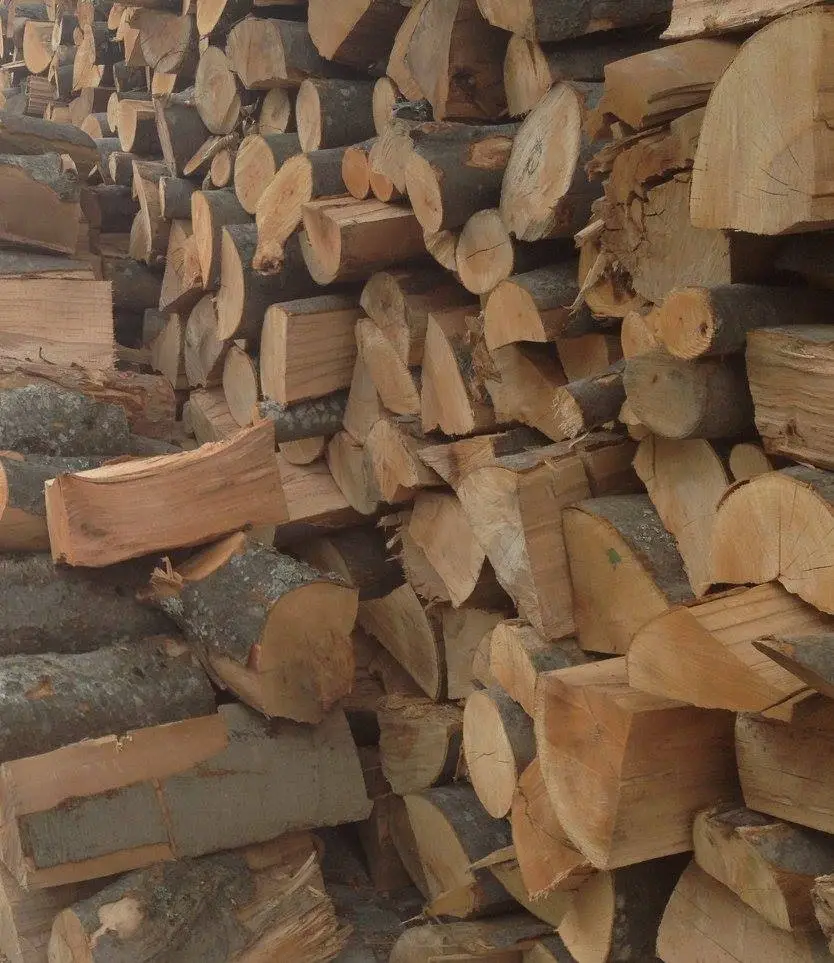
Firewood pile ready for burning on a wood burning stove

The logs you burn will decide how well your stove performs.

Choose well, and you’ll get a hot, clean fire that lasts. Choose badly, and you’ll end up with black glass, tar in your flue, and wasted money.

Here’s what you need to know before stocking up.
What makes “good” firewood?

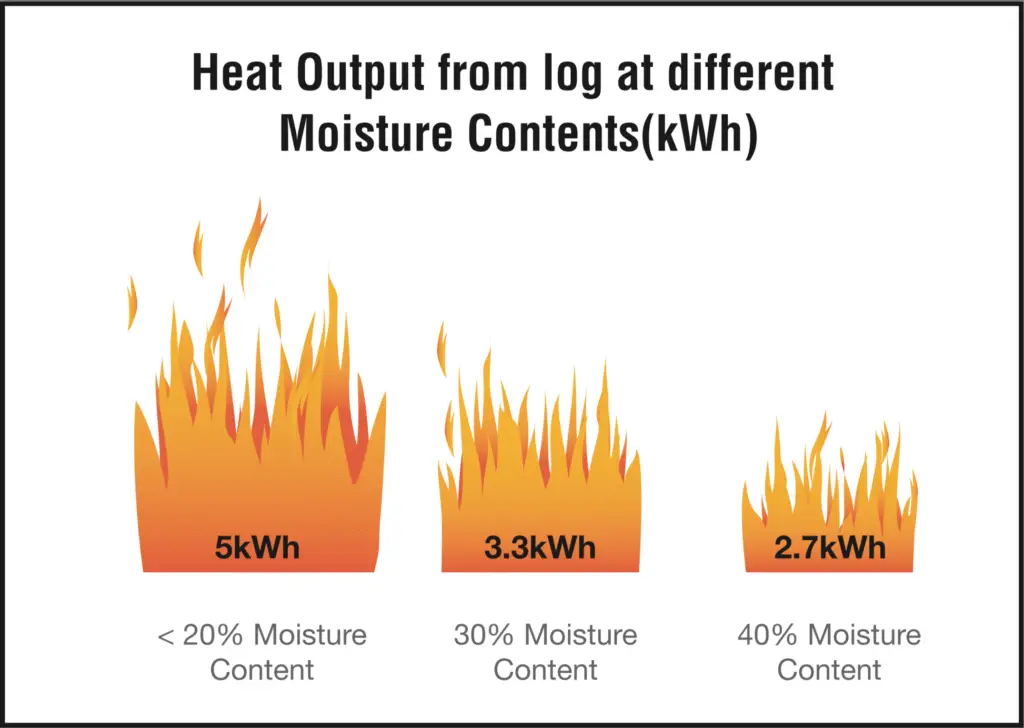
an inforgram showing the heat output of logs in different stages of seasoning

It comes down to moisture content.

  • Freshly cut logs (often called “green”) can be 50% water or more. Put one on your fire and you’ll hear hissing and spitting – that’s water boiling out.
  • A proper stove log should be 20% moisture or less. That’s the HETAS recommendation, and it’s what keeps your stove and flue healthy.


How to check:

  • Invest in a simple moisture meter (around £15). Stick the pins into the split end of a log for an instant reading.
  • Or look for the “Ready to Burn” logo – a certification that guarantees logs are under 20%.

Seasoned logs

Seasoned logs have been cut, split, and left to dry naturally in a ventilated store. Done properly, this takes around 2 years.

  • Pros: cheaper than kiln dried, readily available.
  • Cons: quality varies – some suppliers cut corners. If they’re not split and stacked correctly, moisture can still be high.


Tip: if buying seasoned logs, stack them yourself in a dry, covered, and well-ventilated area. Keep them off the ground and allow air to circulate.


Kiln dried logs

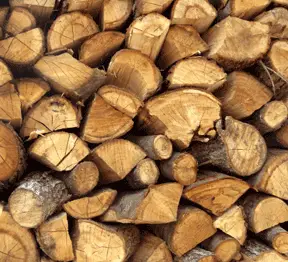
A lot of logs stacked end on end

Kiln dried logs are dried in a controlled environment until moisture is around 15–18%.

  • Pros: burn hotter, give more heat per log, cleaner burn, less ash, less tar.
  • Cons: more expensive, and not as environmentally friendly (the kiln itself needs firing).

If you use logs carefully – not constantly running your stove flat out – kiln dried often works out better value than seasoned. You’ll use fewer logs for the same heat.

Hardwood vs softwood

  • Hardwood (ash, oak, birch) – denser, burns for longer. You’ll use fewer logs overall.
  • Softwood (pine, spruce) – burns faster, gives a quick burst of heat.
  • Many people use softwood to get the fire going and then switch to hardwood for steady heat.

Eco-logs (briquettes)

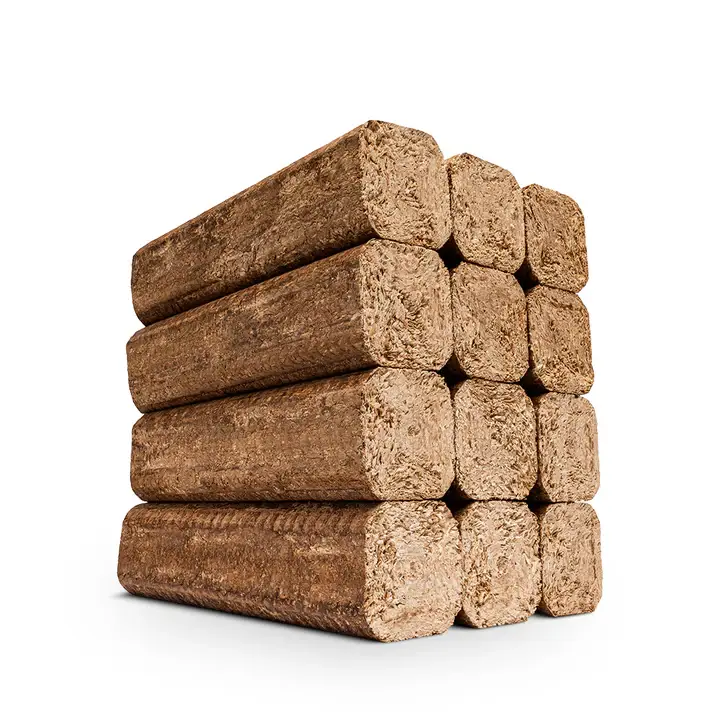
a pile of 9 eco-logs

Eco-logs are compressed blocks of wood shavings and sawdust.

  • Burn hot, burn clean
  • Ash – the amount varies from one to another. Normally, more than a log.
  • Consistent size and shape – easy to handle.
  • Must be kept completely dry – even slight damp turns them to mush.
  • Best value when bought in bulk.

Tip: break them into smaller pieces before burning – most expand as they heat up.

What not to burn

A log resting in the grass in Spring

Some fuels are downright dangerous or damaging:

  • Wet or green logs – wasteful and harmful to your flue.
  • Most pallets, MDF, plywood, chipboard – contain glues and chemicals.
  • Driftwood – salty, corrosive, high moisture.
  • Coal – outlawed on stoves – burns too hot, damages liners.
  • Smokeless fuel (on wood burning stoves)

Stick to seasoned/kiln dried logs or eco-logs and your stove will thank you.

How much wood will I need?

It depends on your stove size and how you use it. As a rough guide:

  • A 5kW stove burns through about one hardwood log every 45–60 minutes.
  • If you use it 5 nights a week from September to March, that’s around 3 cubic metres of logs per season.
  • The more you buy, the cheaper it becomes. 1m3 of kiln dried Ash is about £250.

Where to buy locally

If you’re in Cornwall, many of our customers recommend:

Always check you’re getting locally sourced hardwood where possible. Supporting local suppliers usually means better quality and fewer delivery miles.

Online options

There are many.

We’ve found that White Horse Energy is a good online supplier of logs and eco-logs

Starting Your Fire – Firelighters & Kindling

The easiest way to get your logs going is with a couple of firelighters and a pile of kindling. Firelighters burn hot and steady without creating excess ash, while kindling gives the flames something to climb onto.

You don’t always need to buy kindling bags – an axe or hatchet and a steady chopping block will turn larger logs into thin sticks in no time. The trick is to split them small and keep them bone dry. It’s cheaper, satisfying to do, and guarantees you’ll never run out when you need it.


Want to know how to start a fire? Click here

Quick checklist

  • Aim for 20% moisture or less.
  • Buy from “Ready to Burn” suppliers.
  • Mix hardwood and softwood (& eco-logs) for efficiency.
  • Store wood properly – dry, ventilated, off the ground.
  • Store Eco-logs in completely dry conditions
  • Consider eco-logs as a supplement or alternative.