
Stoves
Get the stove right, and the rest follows.
There’s no shortage of stoves to choose from. The key is matching the right one to your home – your chimney, heating needs, fireplace dimensions, and any non-fireproof materials around it all set the boundaries. Our job is to guide you through those choices and make sure you end up with a stove that truly works for you.
The Heart of Your Heating System
The stove is the heart of your system. Choosing the right one isn’t just about looks – it’s about size, features, lifespan, and how it’ll actually work in your home. From small Victorian fireplaces to big inglenooks, we’ll guide you through the options and supply stoves we know and trust.
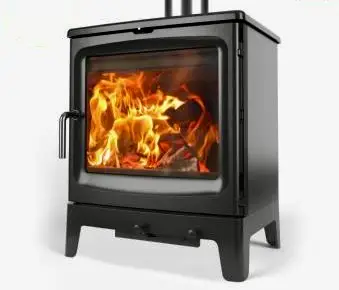
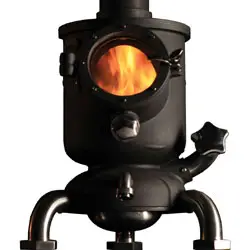
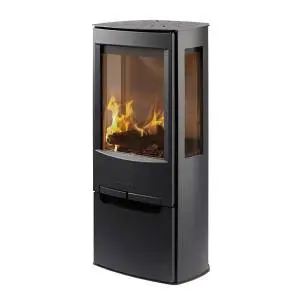
Stove Types
Freestanding - Fireplace
Freestanding - Standalone
Inset/Casette stoves
Specialty stoves
Sizing & Heat Output
Stove “kW ratings” can be misleading. Two stoves of the same size might be rated 5kW and 8kW – but put the same log in, and you’ll get the same heat out.
The “nominal” output is important as this may dictate – according to regulations – whether you require ventilation installing through your wall and into the room or onto the stove.
In real world terms, what matters is how many logs the stove can safely burn at once:
- Small stoves (around 4–5kW) – sized for 1–2 logs at a time, ideal for snug rooms.
- Medium stoves (5–7kW) – take a couple more logs, suited to most living spaces.
- Large & XL stoves (8kW+) – wider fireboxes that let you load more logs for big fireplaces and inglenooks.
Oversizing isn’t better – it just leads to smoky glass, wasted logs, and dirty burns.
Materials & Build
Most modern stoves are made from steel – they heat up quickly and cool down quickly. They aren’t designed for overnight banking/burning – which is considered a good thing when considering air quality. This is why steel is now a popular material chosen by manufacturers.
Cast iron holds heat longer but is heavier and often pricier.
Firebricks matter too. They are the stoves defence – protecting the stove body from warping. If the firebricks fail quickly, it’s an indication that something is wrong or that user error is happening. Natural wear and tear means that they will need replacing after several years – depending on use (and abuse). The more unusual the shape, the more expensive the replacement – and high-end stoves can mean high-end spare costs.
Features & Standards
- Airwash – standard these days, keeps glass clear.
- DEFRA & ClearSkies – needed in smoke-control areas, also proof the stove meets modern eco standards.
- HETAS Cleaner Choice – stoves tested and proven to meet strict emission limits.
- Direct air vs room vent – outside air feeds can work, but cold air across the firebox often increases smoke spillage. We’ll advise what’s best in your setup.
- Flues – 5″ liners are gold dust for existing chimneys, but rules apply:
- A 5″ stove outlet doesn’t always mean a 5″ flue is allowed.
- A 6″ outlet can’t be reduced down to 5″.
- Correct flue size depends on both stove spec and Building Regs.
- Hearths –
- Freestanding installs (e.g. twin wall flues) need a minimum hearth area of 84cm², whatever the stove size.
- Fireplace installs follow a different set of regulations, which we’ll confirm for you.
Upgrades & Style
A stove isn’t just about heat – it’s also about how it looks in your home.
- Modern stoves – clean, minimal, with large clear glass. Straight or curved lines give them a sleek finish, often designed to stand proud in the room.
- Traditional stoves – more ornate, usually cast iron, with raised mouldings and decorative tracery glass (arched or patterned bars across the door). Perfect if you want a classic look to match period features.
On top of that, you can customise with:
- Handles, colours, and leg options
- Log-store bases or benches
- Different finishes to match your style
These upgrades change the appearance, not the performance – so it’s down to personal taste. We’ll make sure whatever you pick fits the space and works as it should.
Brands We Trust
We install and support stoves from proven makers across all budgets and styles. Over the years, we’ve fitted hundreds of different models – the ones listed below are standouts we know inside out.
British favourites
Homegrown brands lead the way when it comes to reliability, heritage, and fitting into traditional UK fireplaces. Most offer 5″ flue options – making them ideal for older chimneys where keeping the liner size down is crucial.
- ACR – covers both contemporary and traditional looks, reliable across the board.
- Arada – Devon-built, a solid mix of heritage and modern styling.
- Charnwood – consistent quality and long-lasting favourites. One of the few still making cast iron stoves.
- Hunter – straightforward, efficient, and dependable.
- Dean Forge – classic local craftsmanship with a traditional feel.
- Ecosy+ – affordable, versatile, and one of the widest ranges available.
- Castle – strong mid-range quality with good support.
- Woodford Charlton – great value cylindrical stoves that fit a wide range of installs.
- Stovax – a leading name for inset stoves, with strong options for both traditional and modern freestanding models.
- Hobbit & Apple Pie – compact and quirky, perfect for Victorian fireplaces.
- Chilli Penguin – distinctive, characterful stoves that stand out.
Scandinavian specialists – the wow factors
Scandinavian stoves are known for their design as much as their performance. Tall glass, clean lines, and centrepiece styling make them real statement pieces. Most use 6″ flue setups – so they’re less suited to traditional chimney installs, but perfect for new builds or twin wall systems.
- Contura – sleek, modern, highly efficient.
- Westfire – clean lines and sharp combustion efficiency.
- Nordpeis – bold designs, often larger statement pieces.
- Scan – Danish precision with crisp detailing.
- Wiking – contemporary styling paired with advanced combustion.
Most brands now offer models to suit even the smallest fireplaces, cabins, or garden rooms – so there’s always a solution, whatever the setting.
We don’t run a showroom – instead, we fit and source stoves day in, day out. That means we’re not tied to a display range. If there’s a particular stove you’ve seen elsewhere, we can usually supply it, or we’ll give you honest advice on whether it’s the right fit for your home.
What to Avoid
- Overnight burning– Kills air quality and wrecks your flue.
- Multi-fuel stoves – too much user error – guaranteed way to shorten your flue & stove’s life.
- Random second-hand stoves– unless properly refurbed, it’s a gamble you’ll likely lose. With new stoves starting around £500, it’s often safer to buy new.
Buying Through Us
When we supply your stove, you get:
- Discounted pricing
- No delivery headaches
- No callout costs if something’s wrong
Bring your own, and you’re taking on delivery, damage checks, and risks – which often end up costing more than you saved.
Practical Advice
- Hearth and ventilation rules explained
- How long to wait before first use (24h+ curing, longer if plaster/rendering was done)
- How to Cure Your Stove, How to Light a Stove, How to Control Your Fire + many more – Click on the link below to access our Advice Hub.
Next Steps
Want help choosing? Tell us about your space and what you’re after – we’ll shortlist the right stoves and provide a clear estimate.
Get your stove estimate – see the links below.