
FAQ's
Got questions? We’ve answered the most common ones here.
From costs and installation rules to stove care and chimney choices, we’ve pulled together clear answers to the questions we get asked every day. If yours isn’t here, just give us a call.
ADVICE HUB
Want to go further than the basics? Our Advice Hub dives deeper into stoves, flues, and fireplaces – practical guides written in plain English, with no sales talk or jargon.
STOVE INSTALLATION
How much does installation cost?
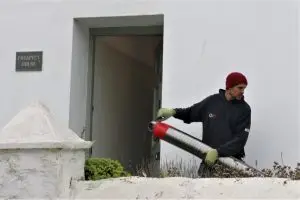
Most installations sit between £1,750 and £4,000, depending on the setup, stove, and hearth. The stove itself usually adds £500–£2,000, and a new hearth (if needed) typically starts from £200.
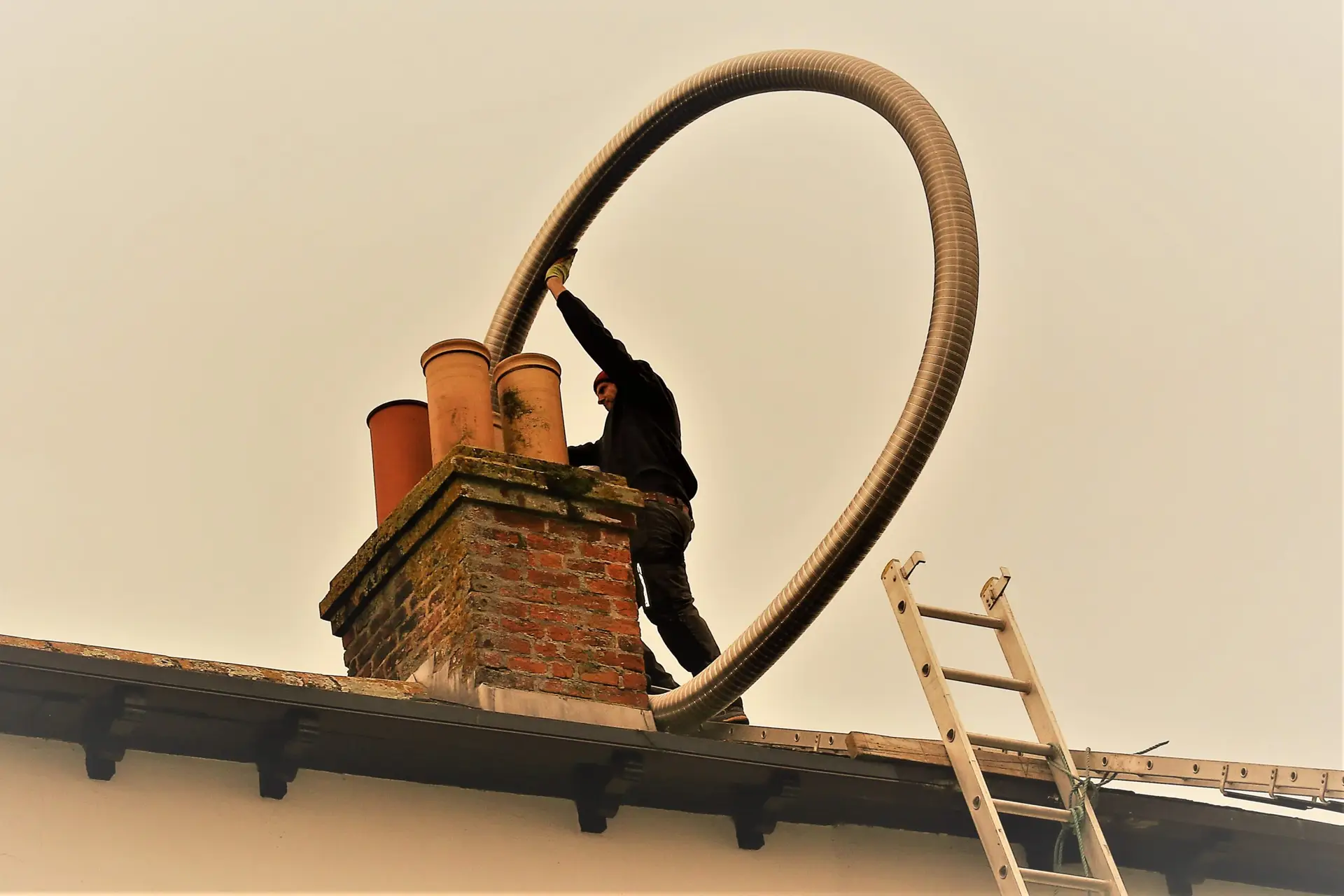
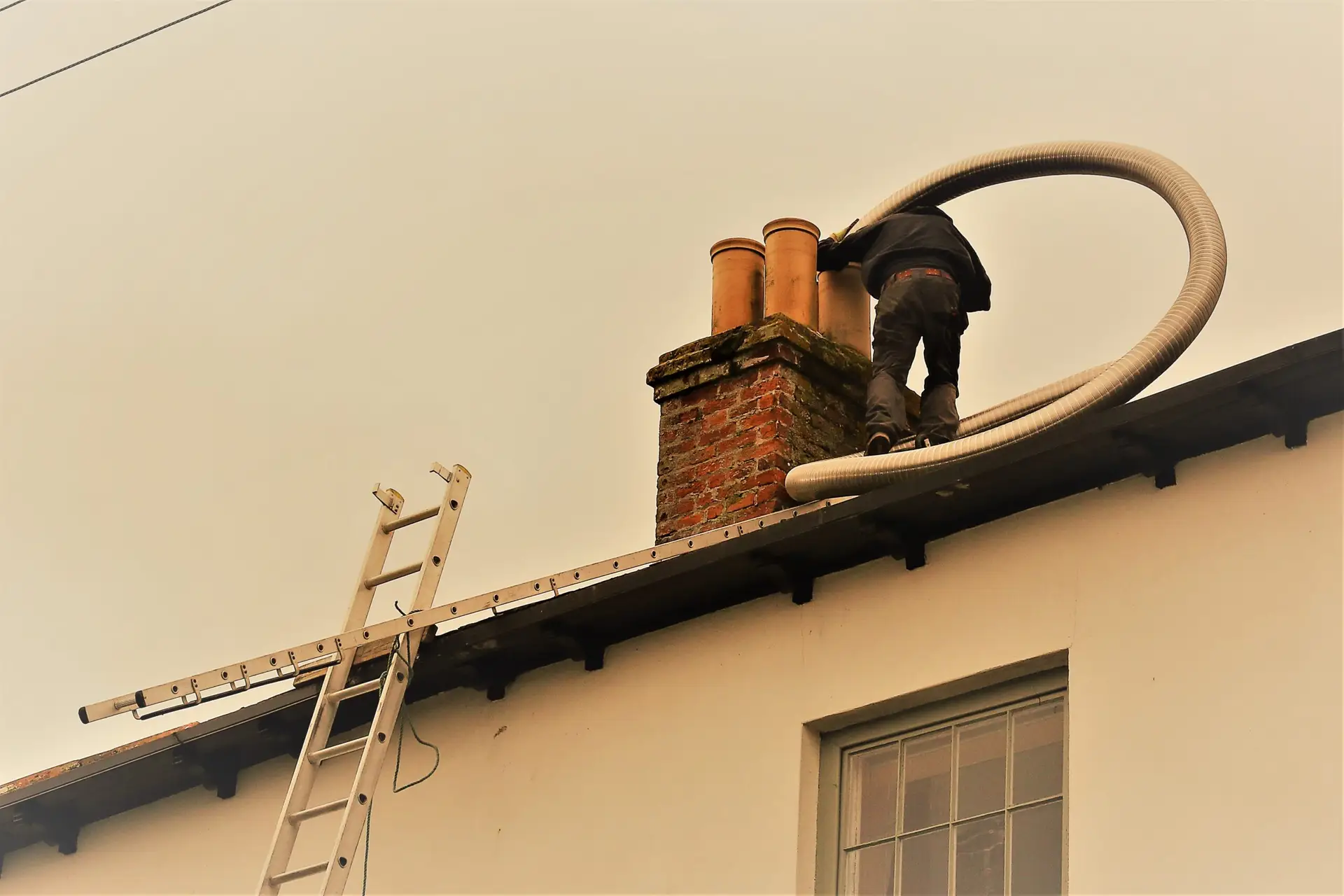
The reason for the range is simple – every property is different. Some jobs are straightforward (like dropping a liner down an existing chimney), while others need extra work such as opening up or rebuilding a fireplace, fitting a twin wall system, or adding chamber finishes. We only use premium flue products (Dura Flue liners and twin wall), and our pricing reflects the skilled labour and preparation it takes to get everything done safely and in one visit.
Once we’ve seen photos and details of your setup, we’ll give you a clear, tailored estimate.
Why does it cost so much?
We don’t cut corners. We use quality materials, specialist tools, insured vans, HETAS registration, and a mountain of admin behind the scenes. On top of that, we’re climbing ladders with fire equipment most weeks – so we charge fairly to cover costs and stay in business.
How quickly can you install after a survey?
If we’ve got space in the diary, we can often install almost straight away. We usually hold flue stock and can get extras next day. The main hold-up is the stove itself – lead times vary – but we do keep a small selection in stock for quick turnarounds.
How many ways can you install a stove?
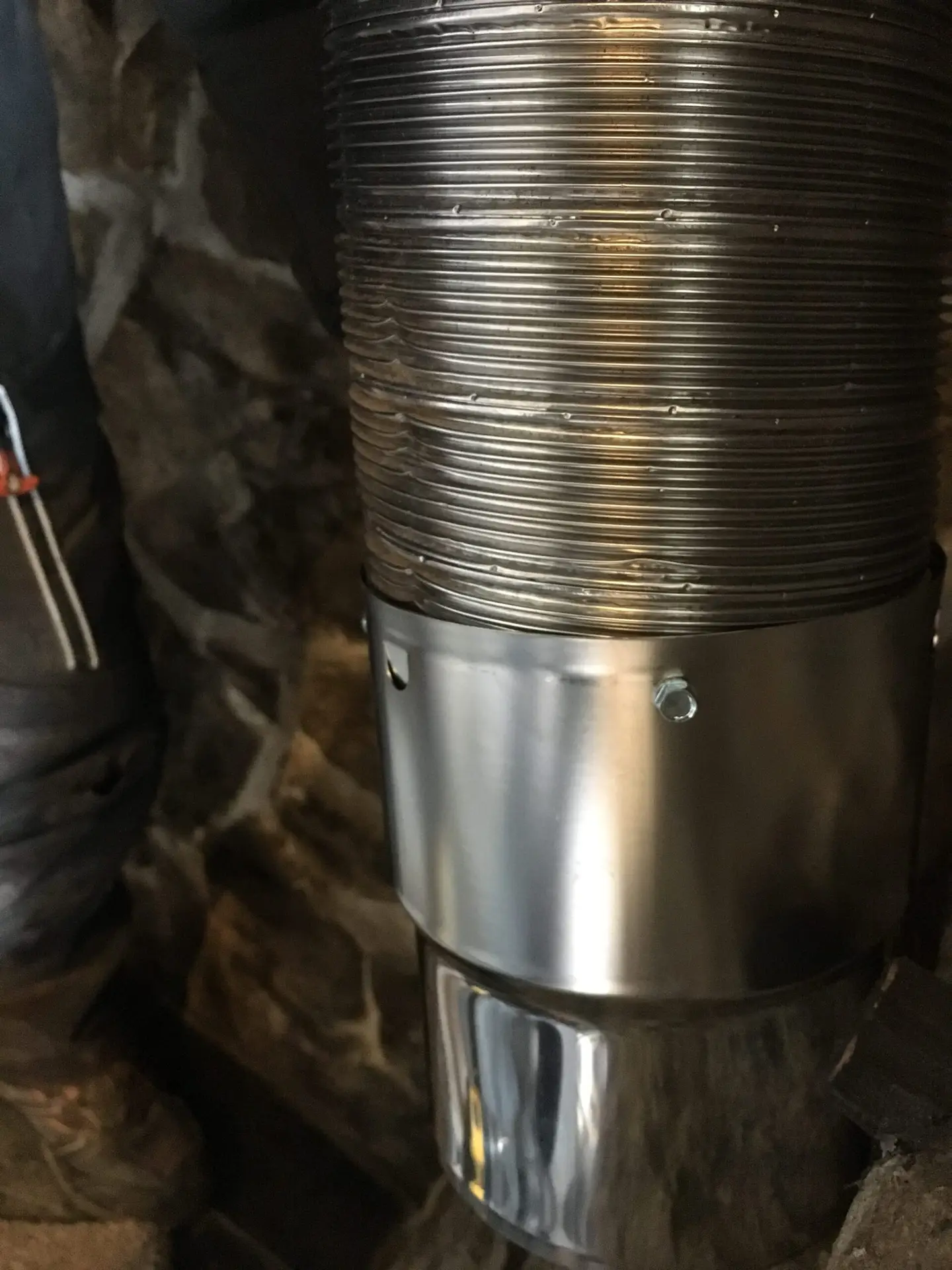
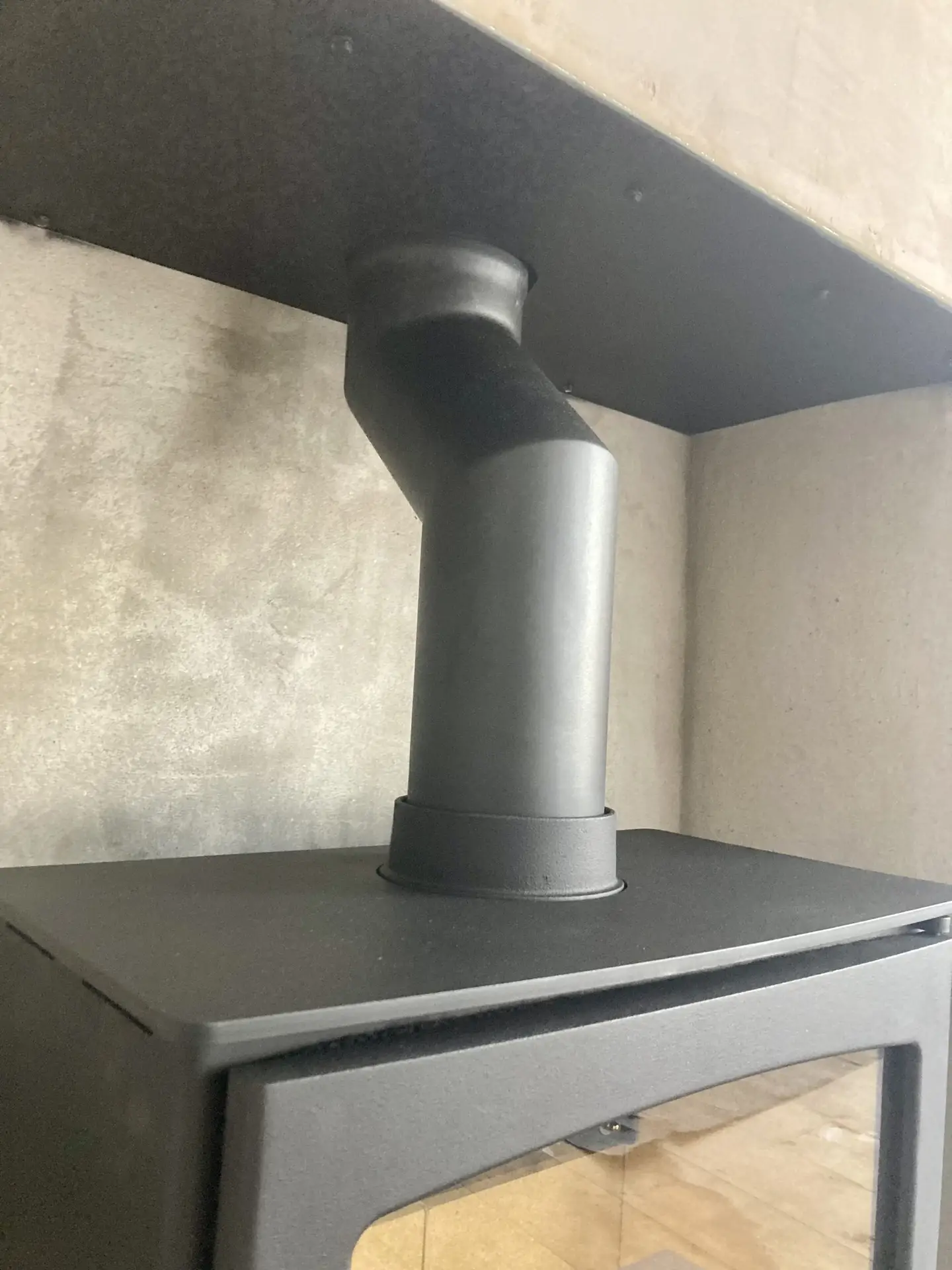
Four: Flexible flue liner, Twin wall (internal), Twin wall (external), and Flex-to-Twin (for chimneys that stop in the loft).
Can I replace my gas fire, open fire, or back boiler with a stove?
Yes. These can be removed and the fireplace modified to take a stove. If it’s a gas fire or back boiler, a GasSafe engineer or plumber will need to disconnect and cap it off. You’ll pay them directly – we can recommend trusted people, but their work is their responsibility.
What’s included in an install?
Your estimate lists it clearly. Generally flue parts, labour, testing, and certification. Extras are stoves, hearths, fireplace building work, or blocked flues.
Can I supply my own materials?
No – we need to use kit we know and trust. We only fit premium flue products (Dura Flue liners and twin wall), and we get trade discounts on them anyway. It’s our labour that costs, not the parts – and turning up to a job with missing or wrong kit wastes everyone’s time.
Can I supply my own stove?
We’d prefer it if you didn’t – but yes, you can. When we supply the stove, everything stays in-house: if there’s a problem, it’s our responsibility alone, with no grey areas or back-and-forth between you, us, and a supplier. We also provide discounts on the stoves we supply, and it helps cover our admin costs.
If you supply your own stove, we’ll fit it – but any warranty or supplier issues are yours to deal with. And if the stove develops a problem, we’ll charge for our time to come out and fix it (whereas this visit is waived if it’s a stove we’ve supplied).
Do I need my chimney lined?
Almost always, yes. A liner makes the system safer, more efficient, and protects your chimney. The cost difference is small compared to the safety benefits. Stove manufacturers expect it, and HETAS recommend it – so lining is the standard on almost every install we do.
Can you use my existing chimney liner?
No – we only install new liners. We can’t sign off or guarantee a flue we didn’t fit ourselves. Even if an old liner looks fine, if it’s been misused, damaged, or not swept regularly, chances are it’s already knackered. For safety and warranty reasons, every install we do includes a brand new liner.
Do you do all the work yourselves?
Yes – installs, sweeps, and servicing.
Can I use my own builders?
Yes – but we’ll need to speak with them first to make sure the work meets regulations and doesn’t hold up the installation. If prep work is wrong, incomplete, or unsafe, we’ll have to put it right before we can continue.
What size hearth do I need?
Have you seen the Building Regs for hearths? In front of the stove you’re talking 225mm, 300mm, or sometimes more – depending on the stove. But that’s just the start. The regs don’t cover the minimal width or length properly (my front to back could be your side to side – and my depth could be your width!). Lengths are mostly right, but you’ll usually need more than you expect, especially with a free-standing stove.
Confused? Exactly. Leave the hearths to us – we know them inside out, upside down and back to front – and we’ll make sure yours is spot-on.
How long does an install take?
Flex liner: 1 day
Twin wall (bungalow): 1 day
Twin wall (2-storey): 1–2 days
Full fireplace renovation: up to 3-5 days
How messy will it be?
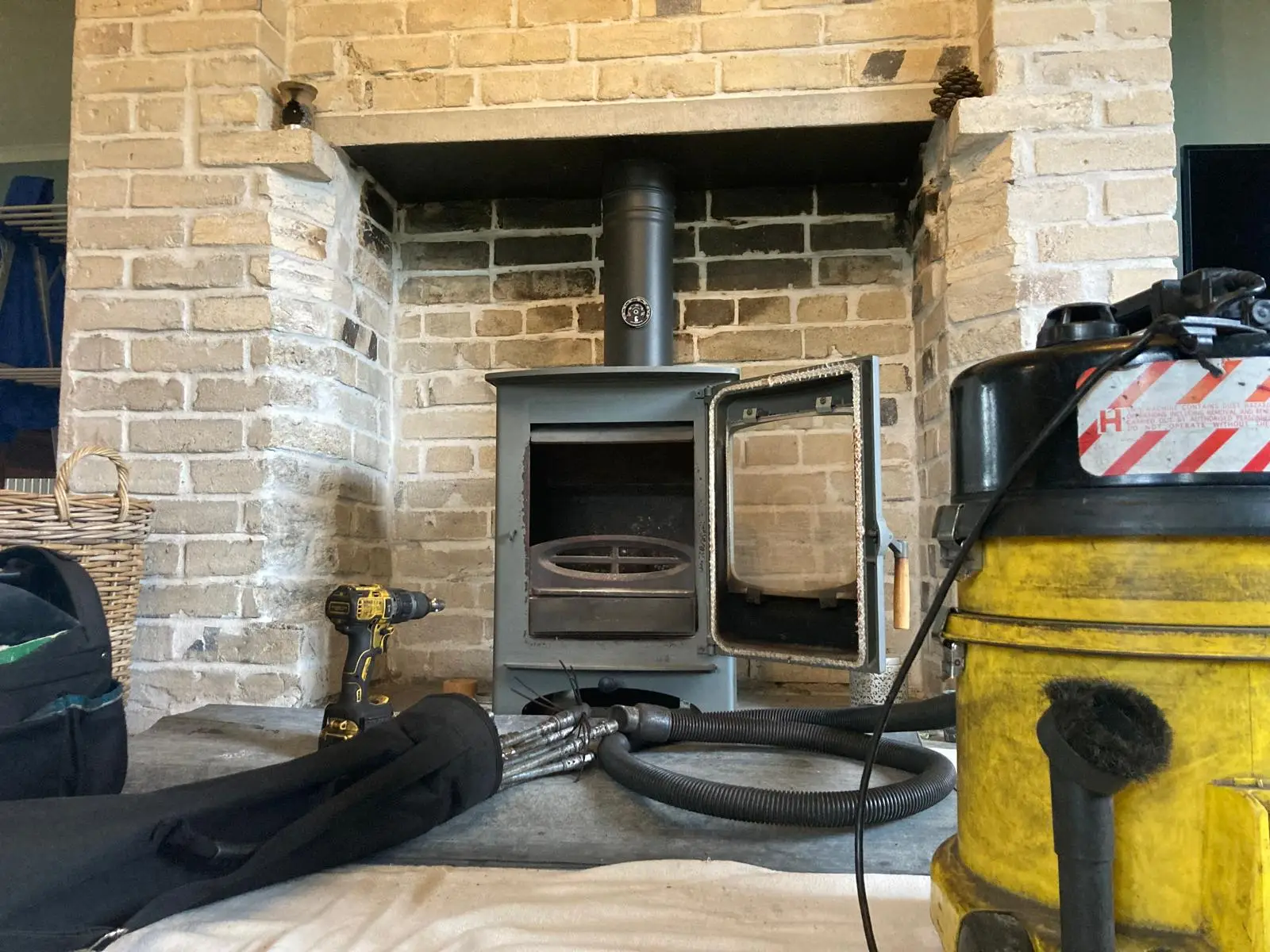
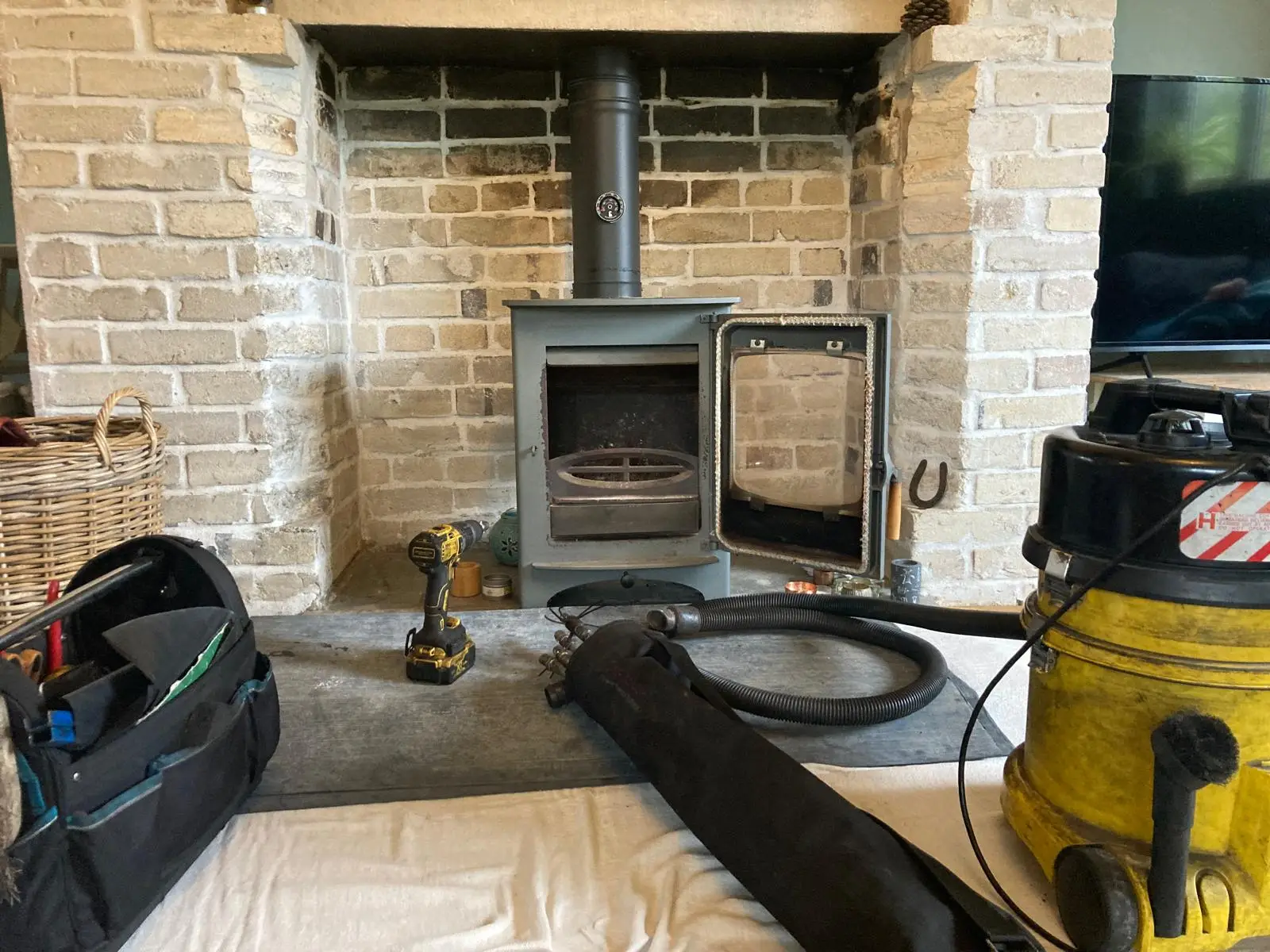
Fireplace work is dusty. It’s also loud and vibrations from our heavy duty breakers are felt throughout your house (and your neighbours). We sheet everything up, seal doors, and vacuum after. Most installs are otherwise fairly clean. Sweeping is always done with full dust control.
Do I need to do anything before you arrive?
Clear the room as best you can and make sure we can park the van. If you share a chimney or party wall, it’s important (and polite) to let neighbours know.
Here’s a bit more information on preparing for our visit.
Can I install my own stove?
Technically yes, but we strongly advise against it. If it goes wrong, it’s dangerous, it voids warranties, and you’ll likely spend more in time and money.
Should I install my own stove?
No. If you get it wrong, the consequences can be serious – even life-threatening. It’s not just about you, it’s your family, friends, and neighbours too.
Building Control don’t know stove installs the way we do. They can’t (and don’t) check everything, and if they spot a mistake you’ll be charged for a repeat visit. It’ll also take you at least twice as long as us – the regs are more confusing than rugby rules, and you’ll need a pile of tools, ladders, and a good head for heights.
We’ve seen too many botched jobs to know this isn’t DIY territory. It’s not rocket science, but it is a skilled trade – with rules, safe practices, and the right kit that makes the difference between a dangerous lash-up and a proper installation. On top of that, DIY voids the warranty on both your flue and stove. For the sake of saving a few hundred quid – and losing three days of your life – why risk it, when we can do it right in a day?
I still want to install my own stove. Any tips?
Yes – get in touch. We can supply the full kit and give you proper guidance on how to install it safely. We charge around £200 + VAT for consultation and site visits, so at least you’ll have solid advice to stop you going wrong.
Will you sign off my DIY installation?
Never. We only sign off our own work. So don’t ask – it’s unsafe and against our principles. We use the best kit and the best techniques because we like to sleep well at night – and we want you to be able to do the same.
Just had your stove fitted?
Visit our Advice Hub » for tips on getting started.
SOLID FUEL APPLIANCES
How much does a stove cost?
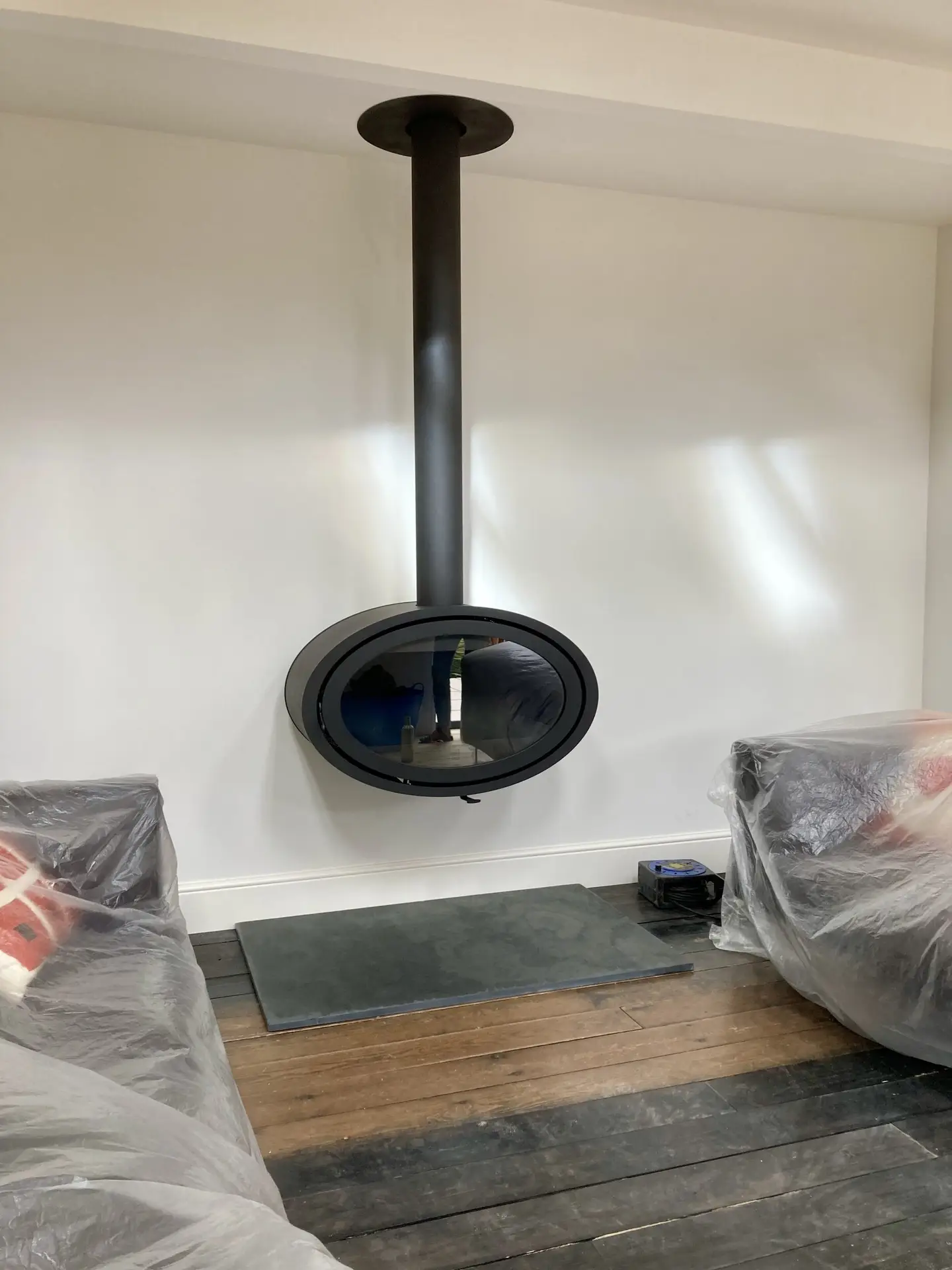
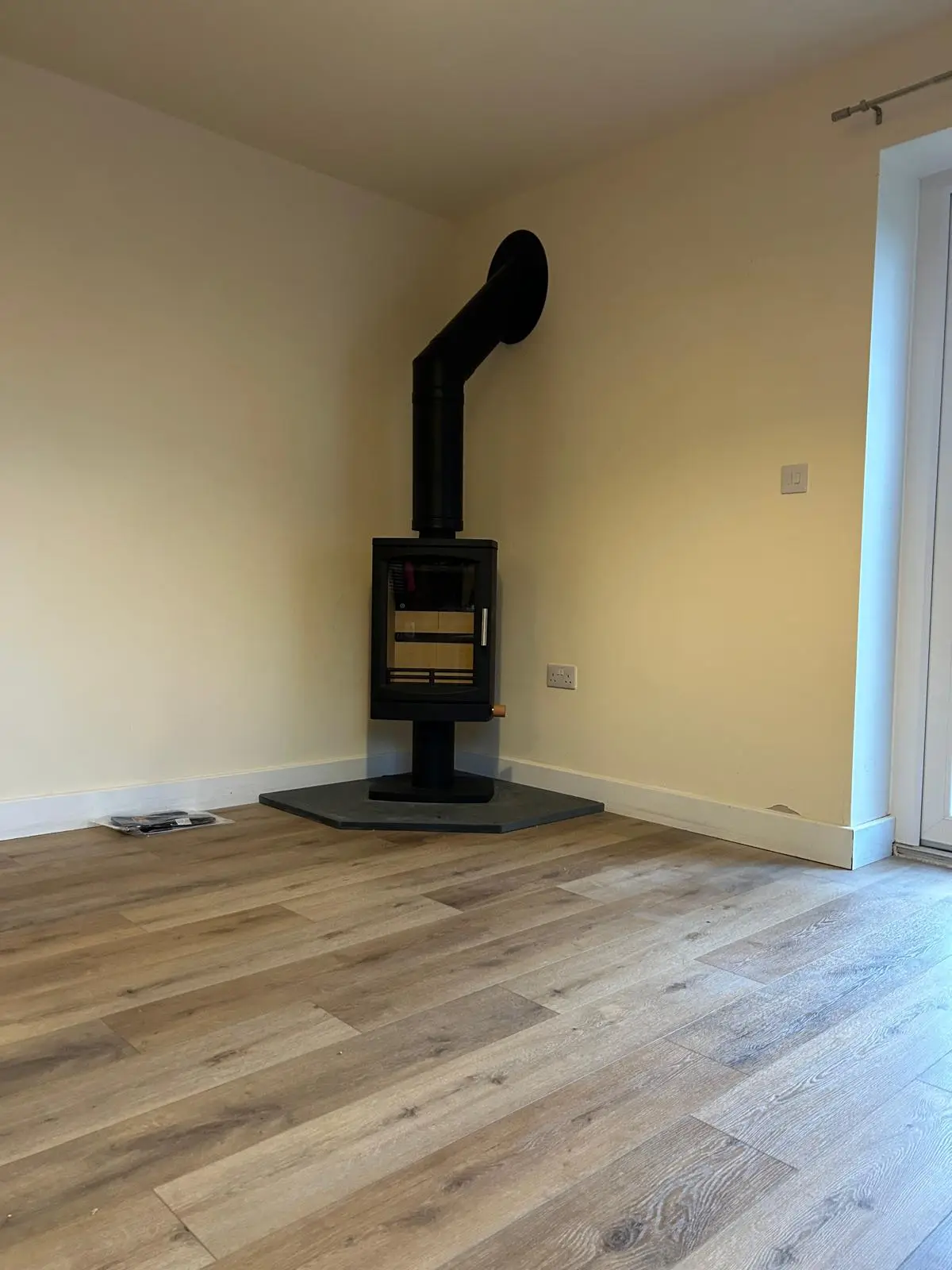
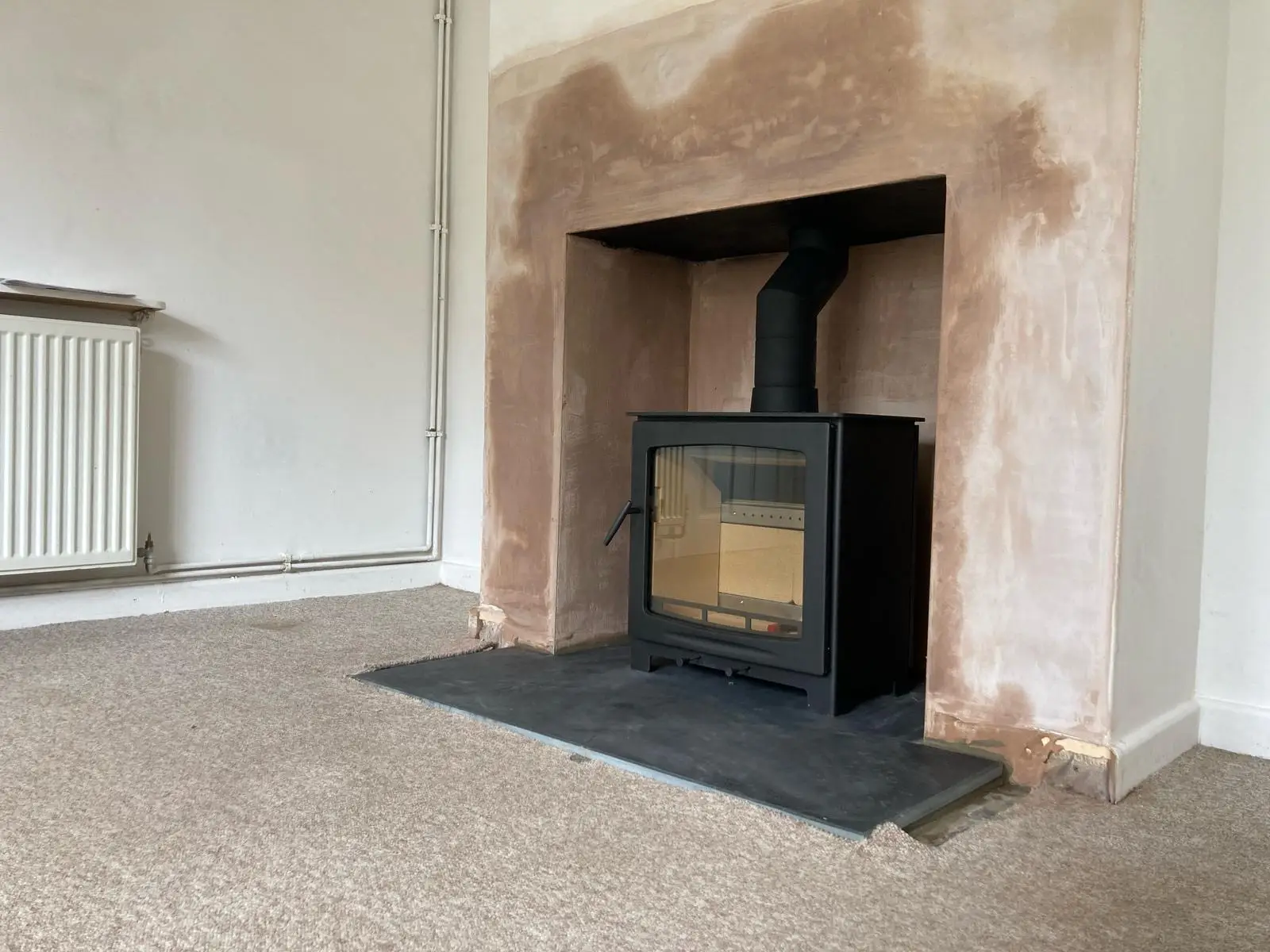
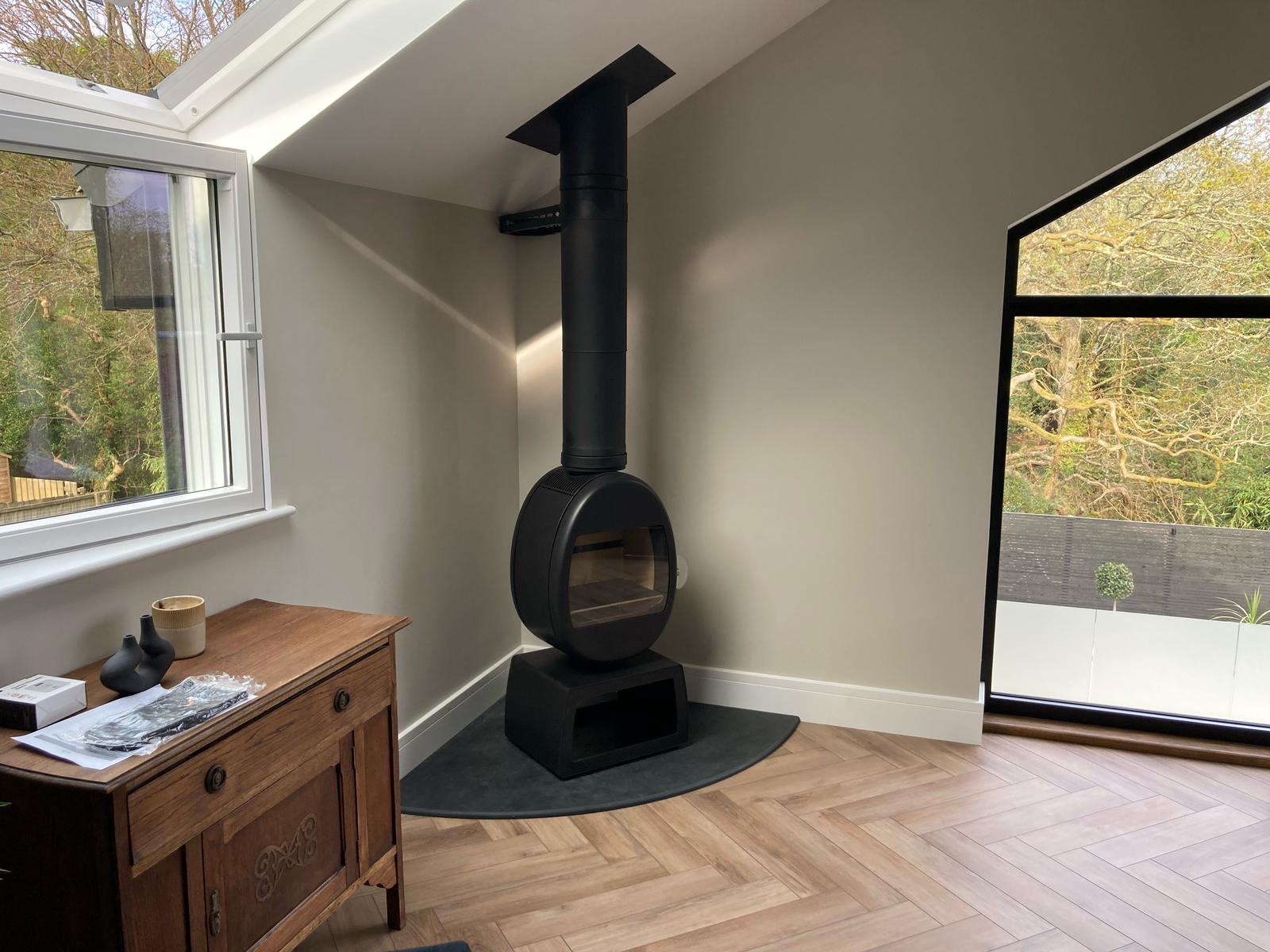
From £500 to £4,000+. Most decent 5kW stoves for standard fireplaces are £700–£1,200. Contemporary cylinders or bespoke models cost more – typically around the £2,000 mark.
How do I know if I’ve chosen a good one?
Ask us before you order. We’re not tied to a showroom and have fitted hundreds of models. As a baseline, it should be UKCA or CE-marked AND meet BS EN 13240.
What fuel can I use?
Wood burners = wood fuel only. Multi-fuel = wood and smokeless fuels (but never both at once). Coal is now outlawed on stoves. Our advice is just to burn wood-based products, since there is less chance of user error (which can be a very expensive mistake! – see our “Fuel” section for more info).
What’s EcoDesign Ready?
EcoDesign stoves are the cleanest-burning and most efficient available. Since Jan 2022, all new stoves manufactured in the UK must have met this standard.
Put a log on an Eco stove and expect 80% of that heat to be passed into your room (open fires provide about 37% of heat into the room!)
What does DEFRA approved mean?
It means a stove can be installed in smoke-control zones. Cornwall isn’t restricted, but DEFRA models are often better anyway. You can’t shut the air down so they provide a “cleaner burn” since air is required to keep a fire going (fire triangle = air, fuel & fire!)
How do I choose the right stove size?
Don’t rely on online calculators. Property age, insulation, windows, layout, and draughts all matter. But 1 log on an Eco-stove tends to provide enough heat to warm an average sized room up within an hour. If your house is considered modern and well insulated (built after 2008), expect that same log to heat up a much larger room in the same time. Best thing you should do is to get in touch and we’ll advise.
Can I place a stove next to a wood wall? (And what about plasterboard?)
Not without protection. Stoves must be kept a safe distance from combustible materials like timber and plasterboard. The exact clearance depends on the stove model, but as a rule it’s usually at least 200mm.
The good news is we can fit heat shields (galvanised, cement board, tiled, or sometimes stove-mounted) that reduce the distance and keep everything safe. The bad news is not all stoves have a heat shield option – so it’s important to choose the right stove for the right setting. Plasterboard is treated as combustible too, so the same rules apply.
Do I need ventilation?
Yes, if your stove is over 5kW, or in any new-build (post-2008).
What is ventilation?
We drill a hole about 10cm in diameter through your wall and place a tube through it. There are louvres at each end (inside & outside). Sometimes we can attach the tube to the back or bottom of the stove (it depends on the model of the stove).
Why do I need ventilation?
Remember that fire triangle bit mentioned in the DEFRA bit? Well you need air to keep a fire going. If you’ve a lot of fuel on your fire or your house is fairly air-tight, or your hob fan in your kitchen is on full pelt, chances are you’re starving your fire of oxygen. So it gets pissed off and bellows out smoke at you. That ain’t nice. So when we install stoves, we always test to ensure you have enough ventilation. And if you don’t we install it and charge you extra.
What’s an inset stove?
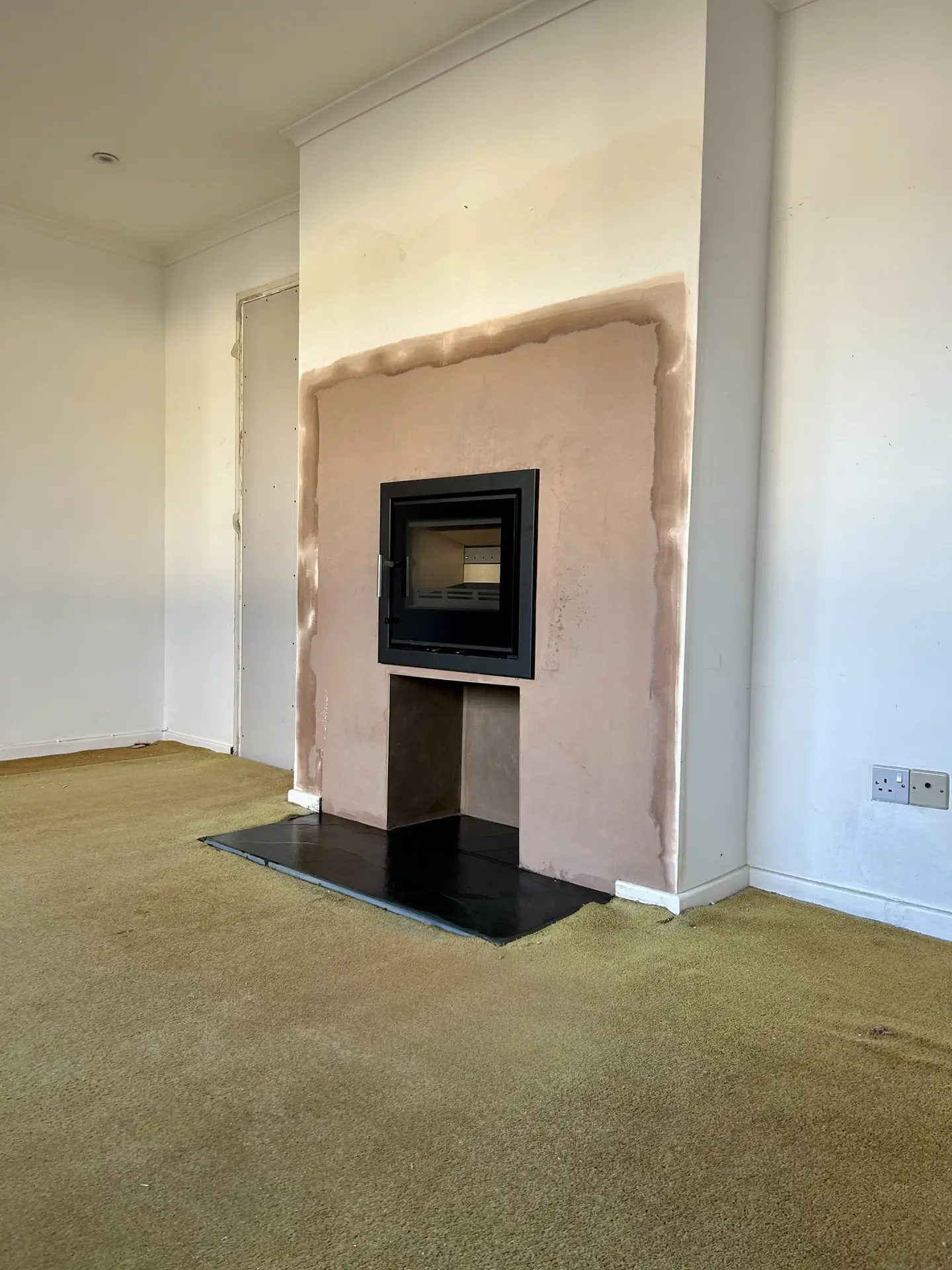
It’s a cassette-style unit that sits flush in a fireplace opening or custom-built chamber. Only the front shows, like a flat-screen TV or fitted oven (before the air fryer came along!)
Cast iron or steel?
Steel heats up quicker, cast iron holds heat longer. Both are fine – steel is usually lighter and more affordable. So, most manufacturers have switched to steel. But also, most modern stoves need to heat up fast too. They’re not on as much either – for example, slumbering a stove is bad news – it creates creosote, clogs up flues and pollutes air quality.
So burn your fuel cleanly – and use the right fuel (we’ll help teach and show you what we mean!).
Are second-hand stoves worth it?
Not unless they’ve been professionally restored. If you buy a cheap one from Marketplace, the chances are you will have to replace firebricks, baffles, gaskets (fire-ropes) and maybe even the glass. If the collars all rusted in, you’re in for a treat. Those 2nd hand stoves are best used to replace your outdoor chimnea!. EcoDesign models are cleaner, safer, and more fuel-efficient.
Where can I get a decent second-hand stove from?
From us. We keep our eyes out for good stoves, refurbish them to a high standard, and replace parts so they look and perform like new. Our stock changes all the time, and every stove comes with a solid warranty. Prices are usually around half the RRP of buying brand new.
WOOD, FUEL & ACCESSORIES
What can I burn?
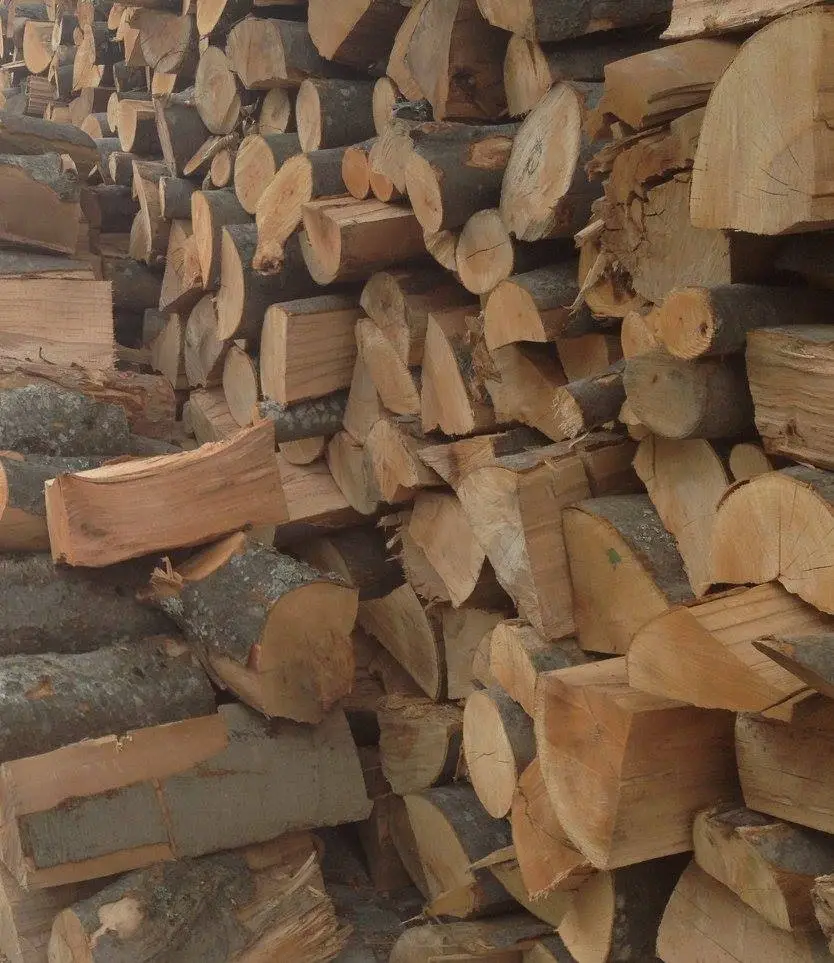
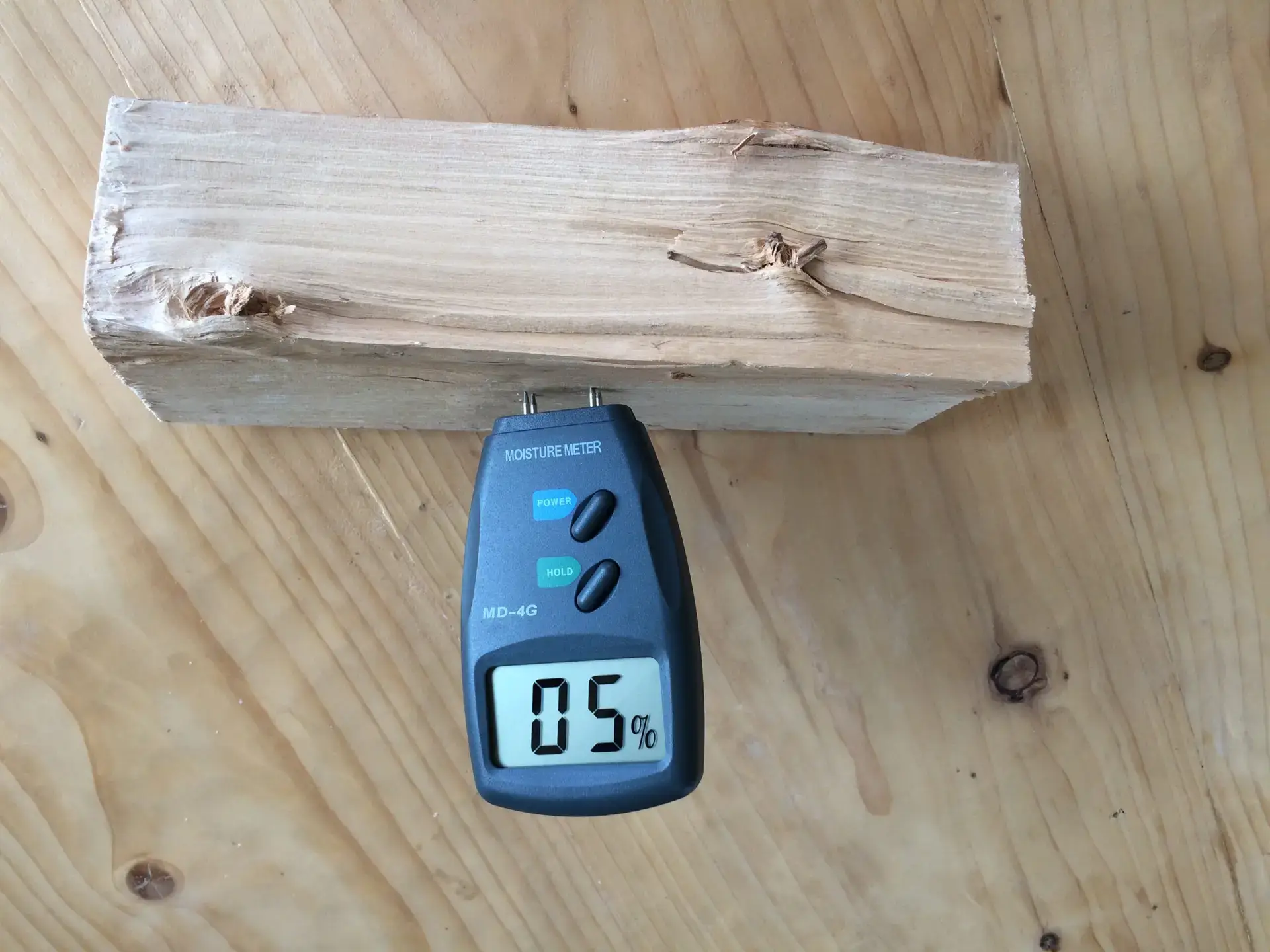
Seasoned wood (under 20% moisture), briquettes (eco-logs), or approved smokeless fuels like Maxibrite. Never burn wet wood, treated wood, or coal.
Hardwood, softwood, Eco-logs, seasoned or kiln-dried?
Always burn dry wood – moisture content under 20%. Kiln-dried is the safest bet, but properly seasoned logs are fine if stored correctly.
Hardwood burns longer and steadier.
Softwood burns faster and hotter – great for kindling or shorter fires.
Eco-logs/briquettes can be excellent if they’re good quality and dry – avoid cheap crumbly ones.
Wet wood wastes heat, produces loads of smoke, and coats your flue with tar. Stick to dry, clean fuel and your stove (and chimney) will thank you.
How much fuel will I need?
Most households use 2–4 cubic metres of wood per year with regular use.
Where can I buy it from?
Look for stockists that are registered with “Ready to Burn”. There are tonnes all around you! On line & local. Nearly all offer a delivery service, but how they are “dumped” is important. Will it be a tipper, a crate lifted or forked onto your drive and into your garage…?
How much will it cost?
Around £400 a year on average, depending on fuel type.
How should I store wood?
Off the ground, with a roof, and plenty of airflow. Sun and wind are your friends.
What accessories should I get?
Stove glove (comes with the stove), moisture meter (if you’re seasoning your own logs), glass cleaner, stove fan (if you have tall ceilings), and a decent log store.
Want more on choosing, storing, and burning logs the right way?
See our [Advice Hub »]
STOVE SERVICING & CHIMNEY SWEEPING
How often should I sweep and service?
At least once a year. Heavy users may need more frequent sweeps.
Why sweep and service?
Safety – removes soot/creosote that cause chimney fires and blockages.
Performance – improves efficiency, saves fuel, and cuts emissions.
Longevity – catches small faults (firebricks, ropes, seals) before they cause bigger problems.
Insurance – most policies require proof of annual servicing.
How do you sweep a flue?
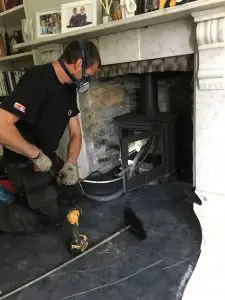
We use Rotary Power Sweeping – safe, thorough, and protects liners. Dust is controlled with H-class industrial vacuums.
How do you service a stove?
We strip it down, clean thoroughly, check parts, replace where needed, repaint black as standard, clean the glass, and test your CO alarm.
How long does it take?
About 30-40 minutes for a standard sweep and service.
What do you charge?
£100 all-in (inc. VAT). Parts are extra if required.
Do you remove bird nests?
Yes. Cost depends on the job size and access needed.
Do you provide a certificate?
Yes. We email a PDF certificate after every service – useful for insurers.
HETAS & SAFETY

What does HETAS mean?
Heating Equipment Testing and Approval Scheme. Being HETAS-registered means we can self-certify installations as safe and compliant.
Will I get a certificate after install?
Yes. You’ll receive a HETAS Certificate of Compliance.
What other safety measures do you take?
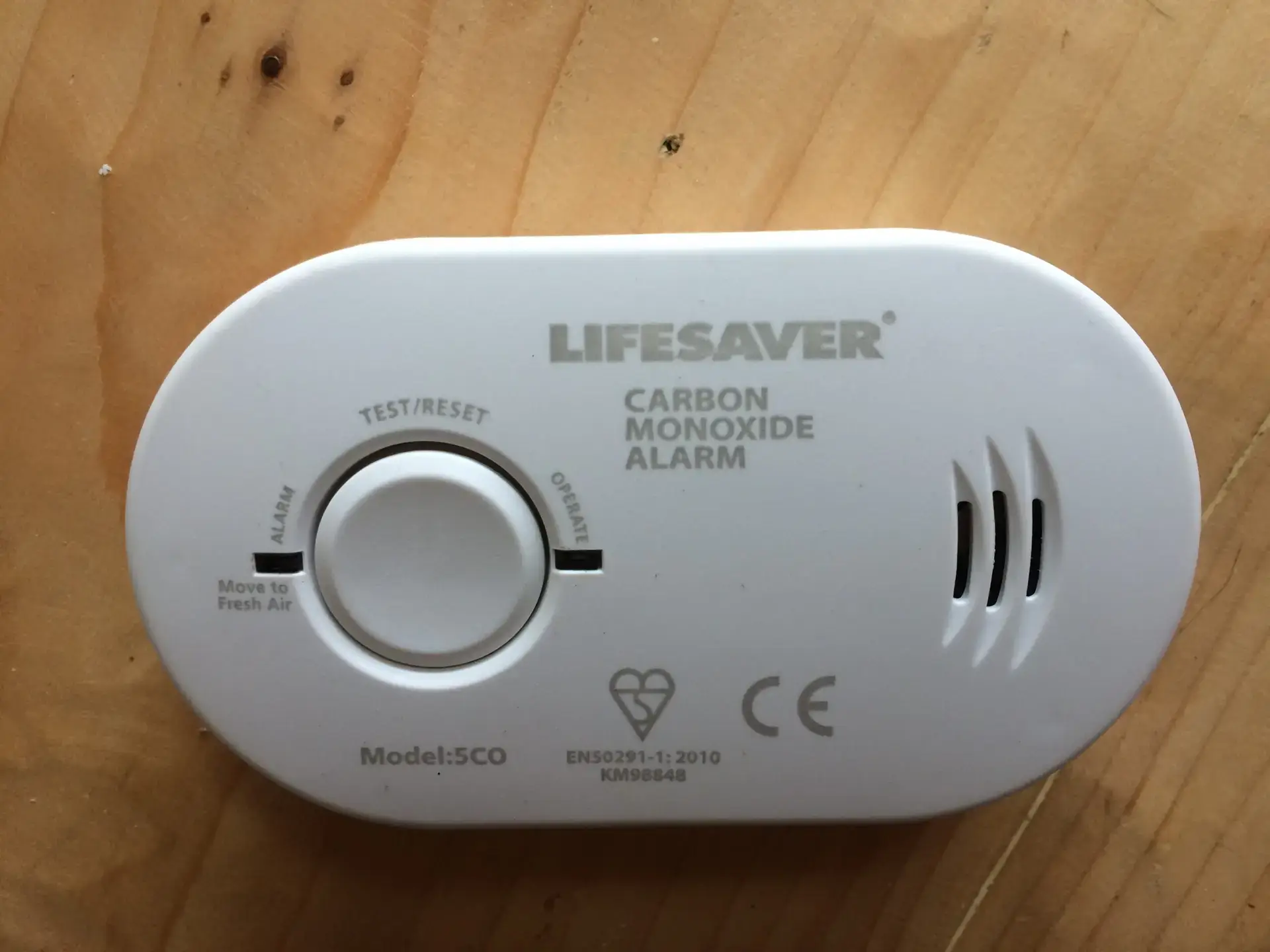
We fit CO alarms, data plates, and ensure all installs meet Building Regulations.
Do you have insurance?
Yes – we’re fully insured for public liability up to £2 million.
WARRANTIES & AFTERCARE
What’s the warranty on flue and stove parts?
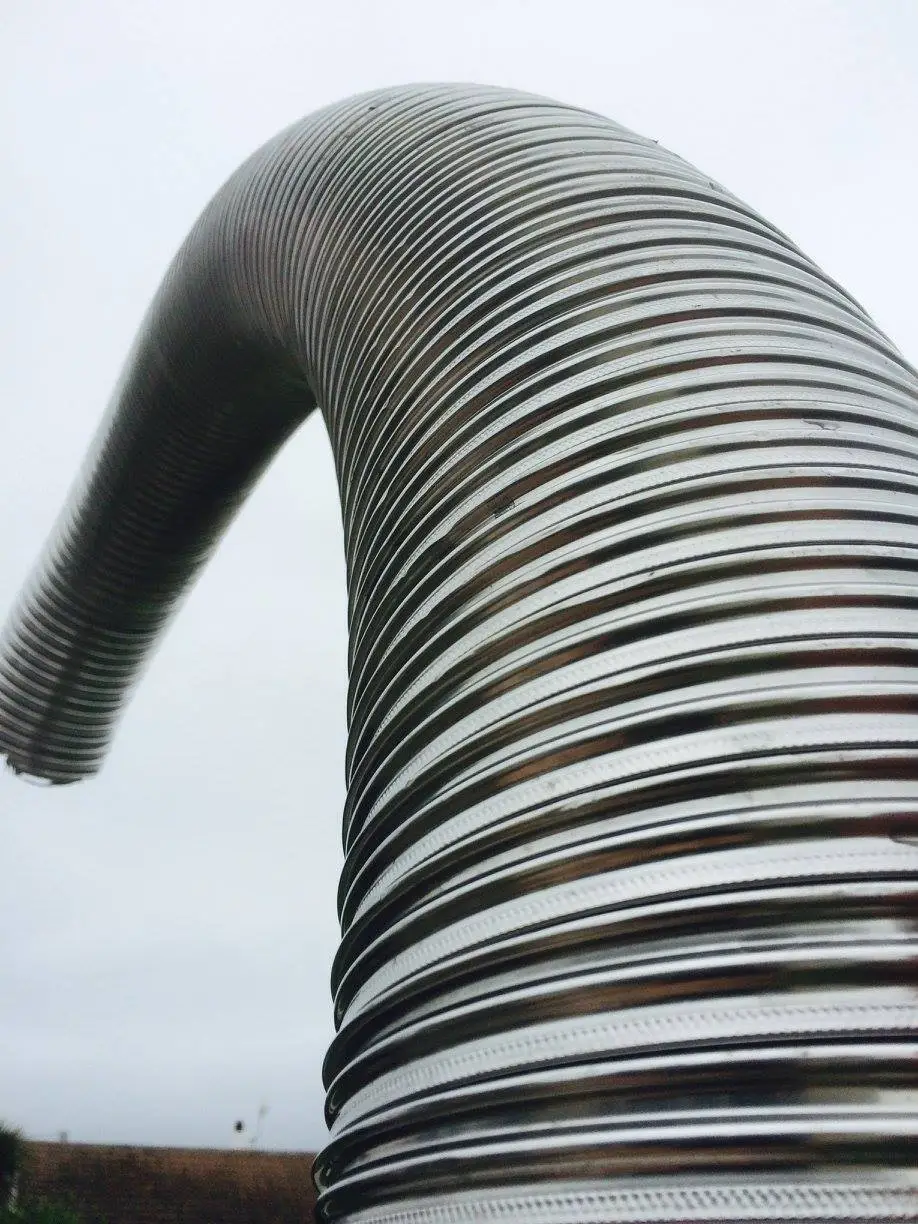
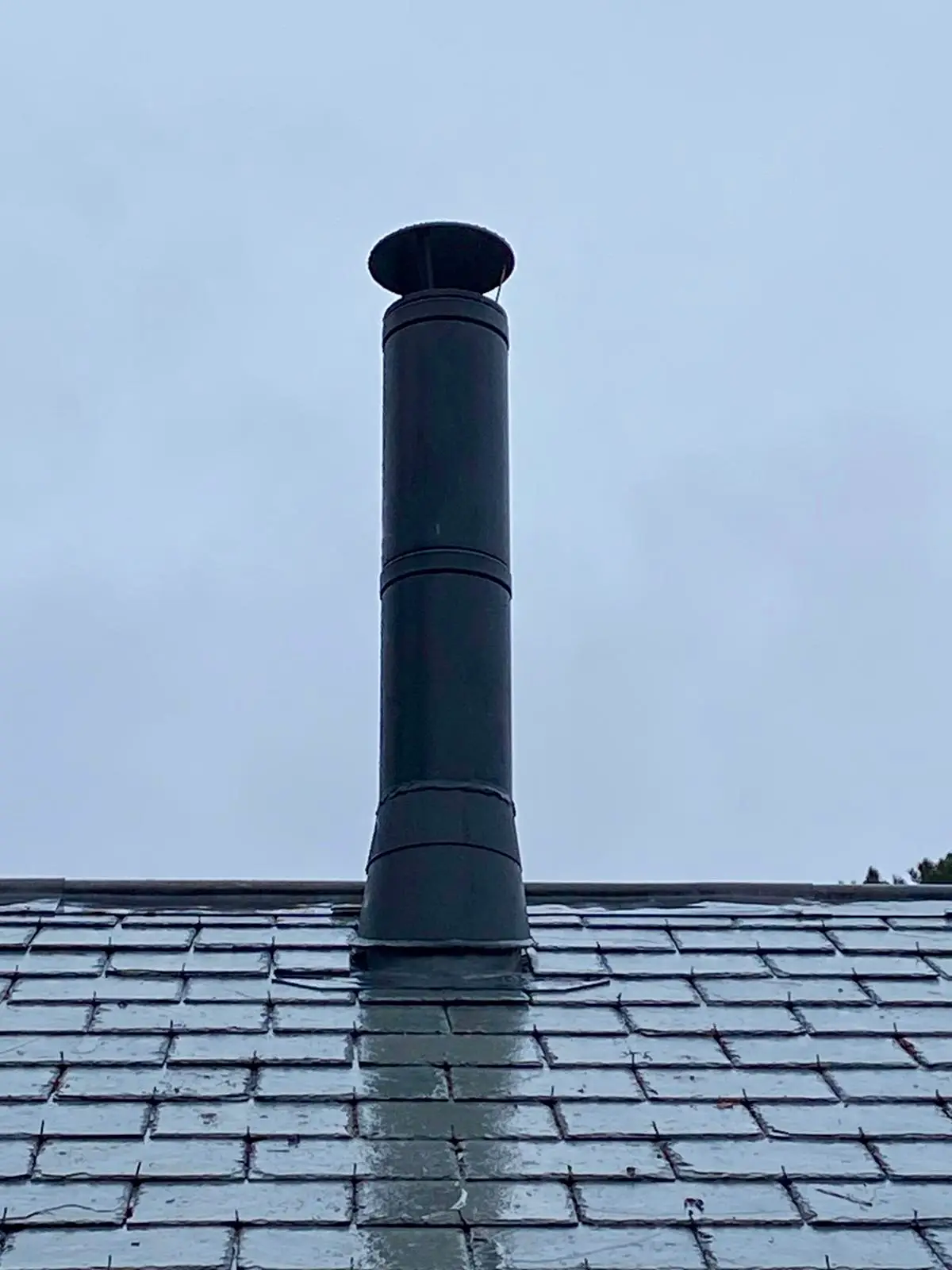
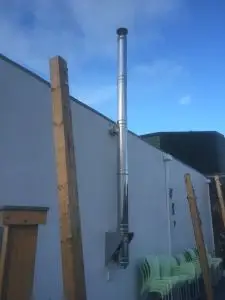
It varies by manufacturer (10 years to lifetime). Dura Flue (our main supplier) has a no-quibble warranty – if there’s a genuine issue, they sort it.
What voids a warranty?
Poor installation (must be HETAS registered).
Not meeting Building Regs.
Not servicing and sweeping annually.
Burning the wrong fuels.
Do you offer aftercare?
Yes – we support all our customers with servicing, parts, and advice. If problems are down to misuse, we still help – we just charge fairly for our time.
TROUBLESHOOTING & COMMON PROBLEMS
Why is my stove smoking into the room?
Usually something simple – often cold weather, damp logs, or a chimney that needs sweeping. [Full guide »]
Why is my glass turning black?
It means the stove isn’t burning hot enough – usually because of damp wood, vents shut too soon, or smouldering the fire. [Learn more »]
Why does my stove burn through wood so quickly?
It’s normally down to how it’s being run – wide-open vents or softwood fuel. [Stove efficiency explained »]
Why does the stove go out when I shut the vents?
The fire needs to be burning hot before you close it down. Otherwise, it starves of air. [Air control & vent science »]
Why does my chimney smell when it’s not in use?
Warm air sinking down the flue can carry tar and soot smells into the room – often worse in summer. [Causes of draughts & odours »]
Why does my stove crackle and spit?
Usually damp logs or resin-heavy wood (like pine). [Moisture, resins & wood science »]
Need more troubleshooting help?
You’ll find detailed guides in our [Advice Hub »]
FLUE SCIENCE
Welcome to the nerd corner – where we dive into the physics of stoves and chimneys. If you want to geek out on airflow, stack effect, or cold plugs, head to our Flue Science hub ».