Installing a Flexible Flue Liner – What’s Involved

Installing a flexible flue liner is a common and effective way to upgrade an existing chimney, making it safe and efficient for use with a stove or other appliance.

Here’s an overview of how the process typically works:

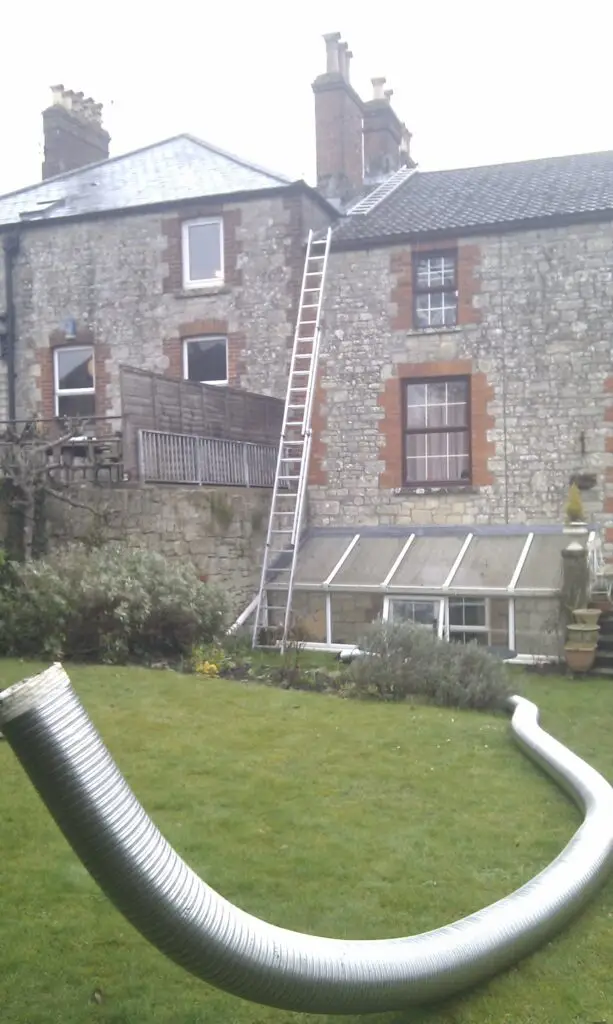
carrying a flexible flue liner up ladders
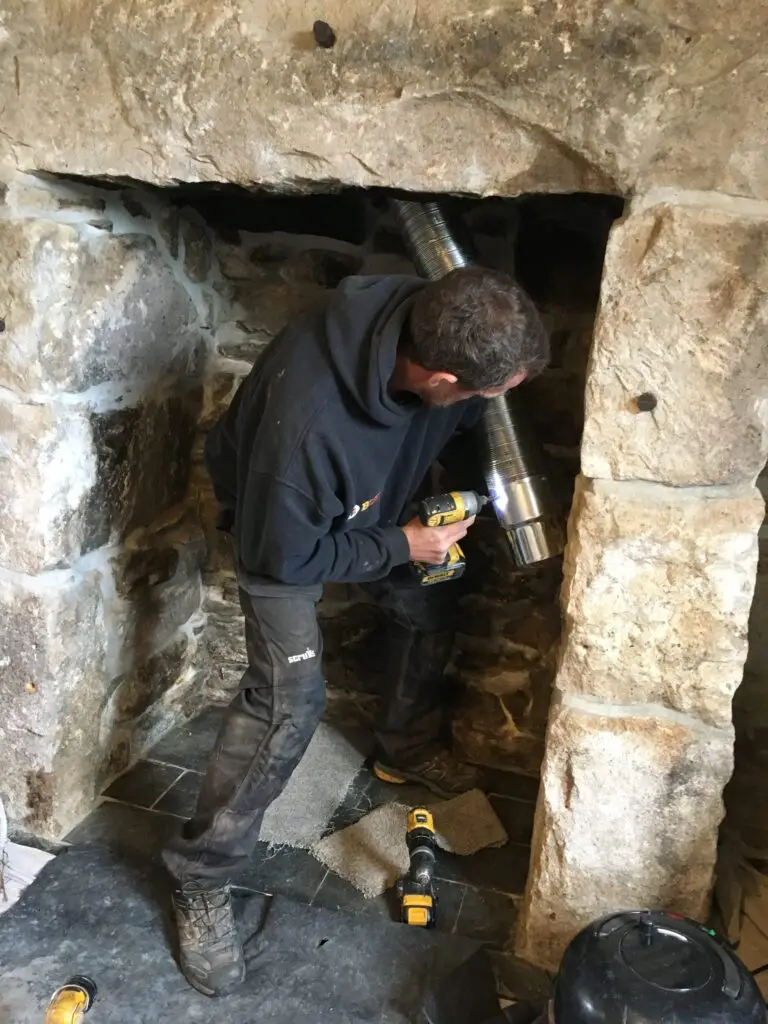
attaching an adapter to a flue

Preparation and Sweeping

We start by preparing the room and an outside area for any cutting or material work, protecting it before we begin. We kindly ask that you prepare your space ahead of our arrival – click here for more information on how to get ready.

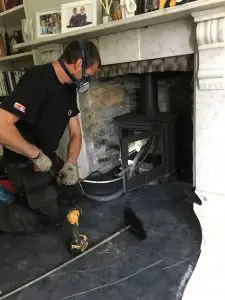
Once on site, we’ll cover the area with a combination of polythene sheets, dust sheets, and floor protectors. One of the first jobs we’ll carry out is sweeping your existing chimney flue. This helps us measure how much liner is required and identify any bends or restricted areas in the flue. The sweep also clears the way by removing excess soot, bird nests, debris, or any old insulation that could obstruct the liner.

Sweeping the masonry full before installing a flexible flue liner as part of the regulations involved in a HETAS registerred stove instalaltion

Installing the Flexible Flue Liner

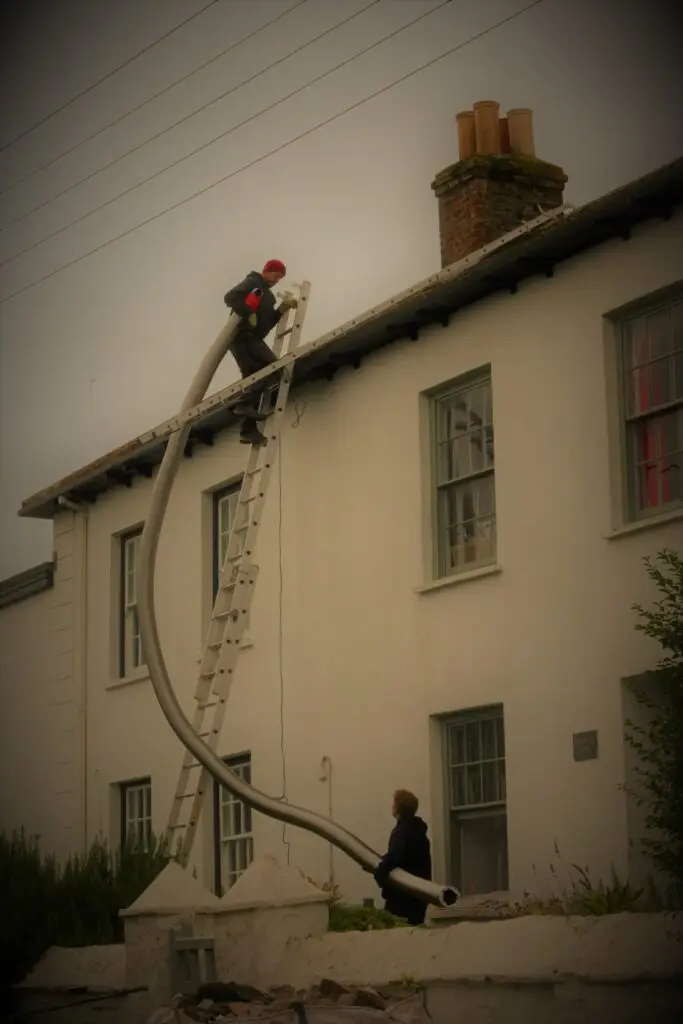
The flexible liner is carefully lowered into the chimney using a rope and guide method – one installer at the top, one at the fireplace. We take extra care to avoid snagging, especially in chimneys with bends or narrow spots. We use Dura Flue liners, known for their durability and performance in retrofit installations – read more about why we use Dura Flue here.

Installing a flexible flue liner into a chimney stack in Truro

Stove Connection and Fireplace Setup

Once the liner is in place:
• It’s connected to the stove using an appropriate adapter.
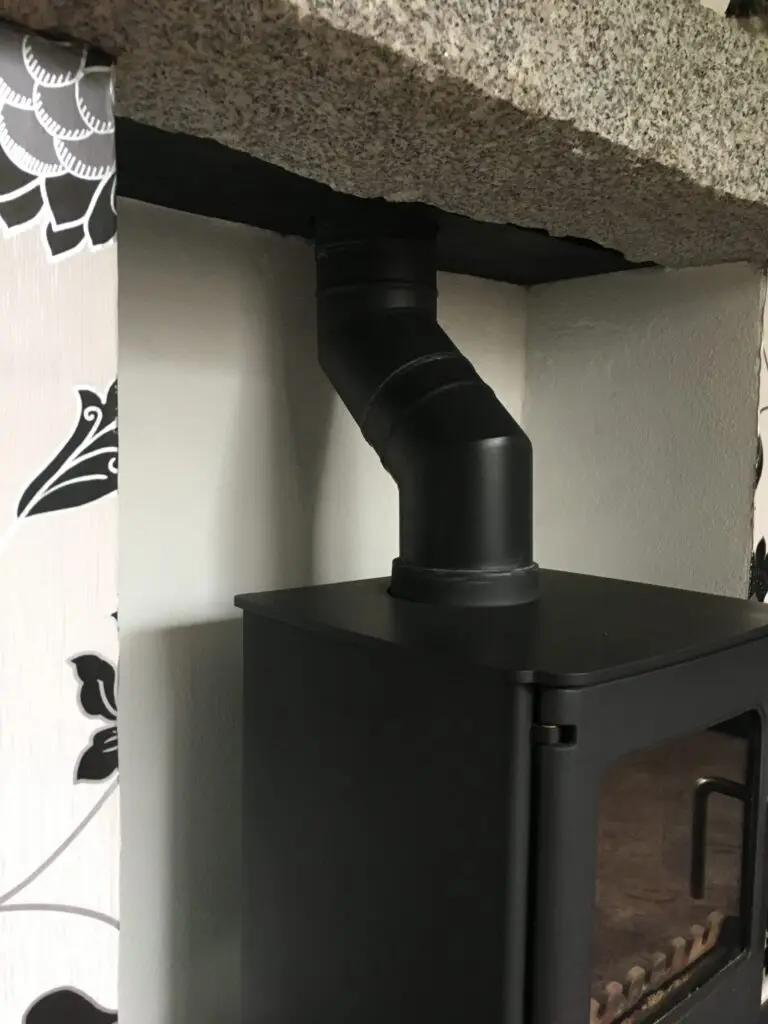
• If no combustible materials are present in the fireplace recess, we use black vitreous enamel pipe for a clean, heat-resistant connection.
• If combustible material (such as a wooden beam) is present and cannot be removed, we use insulated twin wall flue pipe to safely bridge the clearance gap.

We dry-fit the stove and flue components to confirm alignment and spacing. The flue can exit the stove from either the top or rear, depending on model and layout.

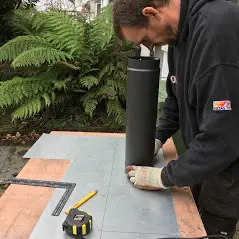
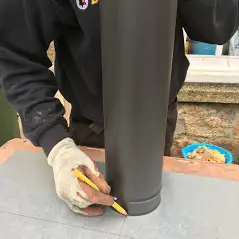
We then fabricate and install a custom galvanised steel closure plate, painted black to match the installation. It does not need to be airtight – in fact, small gaps around the edges help maintain natural ventilation, which prevents condensation from building up inside the chimney. The closure plate also prevents heat from escaping into the chimney void and stops debris or soot from falling onto the stove.

For the final fit, all flue joints are sealed using a combination of fire rope, fire cement, and intumescent sealant to create a smoke-tight, heat-resistant system.

Measuring for a metal closure plate to fit inside a masonry chimney above the stove
Marking up a closure plate ready for cutting
A stove in a fireplace with an offset (dogleg) flue bend, a black metal closure plate (not a register plate) and a granite lintel

Termination at the Top

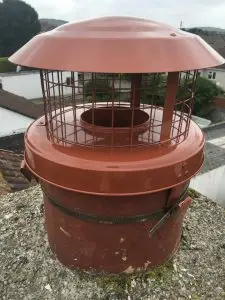
At the top of the chimney, the liner is cut to length and connected to a quality stainless steel pot hanging cowl, often colour matched to your chimney pot.

It is essential that the chimney has an undamaged pot in place. If a new chimney pot is required, it will be installed and charged accordingly. The pot hanging cowl ensures water cannot pass between the pot and the liner, so water ingress is not feasible from the top of the pot.

While on the roof, we inspect tiles, leadwork, chimney stacks, and pots. If a quick fix is needed – like re-mortaring a pot – we’ll often sort it at no extra charge. If further work is required, we’ll show you a video and quote before proceeding.
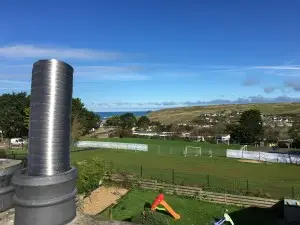
Product image of a Dura Flue flexible stainless steel chimney liner, used for stove installations by Blazing Burners
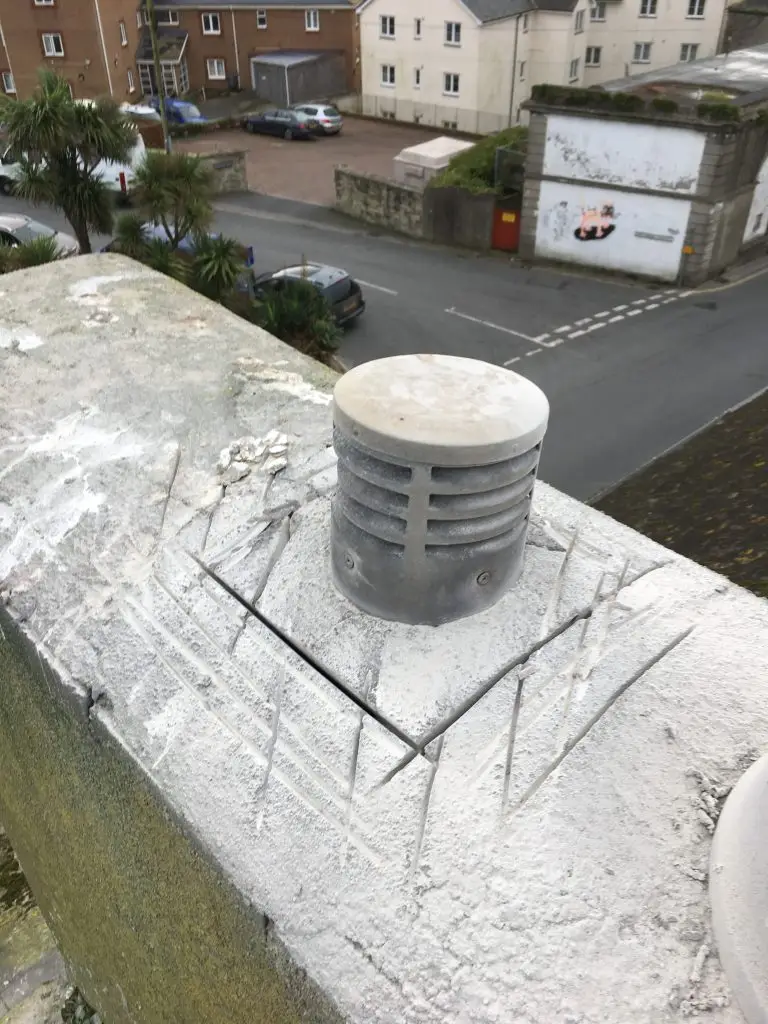
Teh pot hanging cowl in place on top of a pot. This attaches to the liner on all Blazing Burners' flexible flue liner installations

Completion, Testing and Handover

Once the installation is complete, we fully test the system to make sure it’s safe and performing as it should. This includes checking all joints, confirming correct draft, and running the stove to ensure proper operation.

We’ll commission the stove in line with the manufacturer’s instructions, then walk you through the key points – from lighting your first fire to day-to-day operation and ongoing care. To back this up, we follow the handover with a set of emails containing helpful guides and links to our website, so you always have the information to hand.

We always leave the area clean and tidy, removing any waste and packing away protective coverings before we go. Recyclable materials are left with you, general waste is bagged and placed in your household wheelie bin, and we remove rubble and other waste products from site.

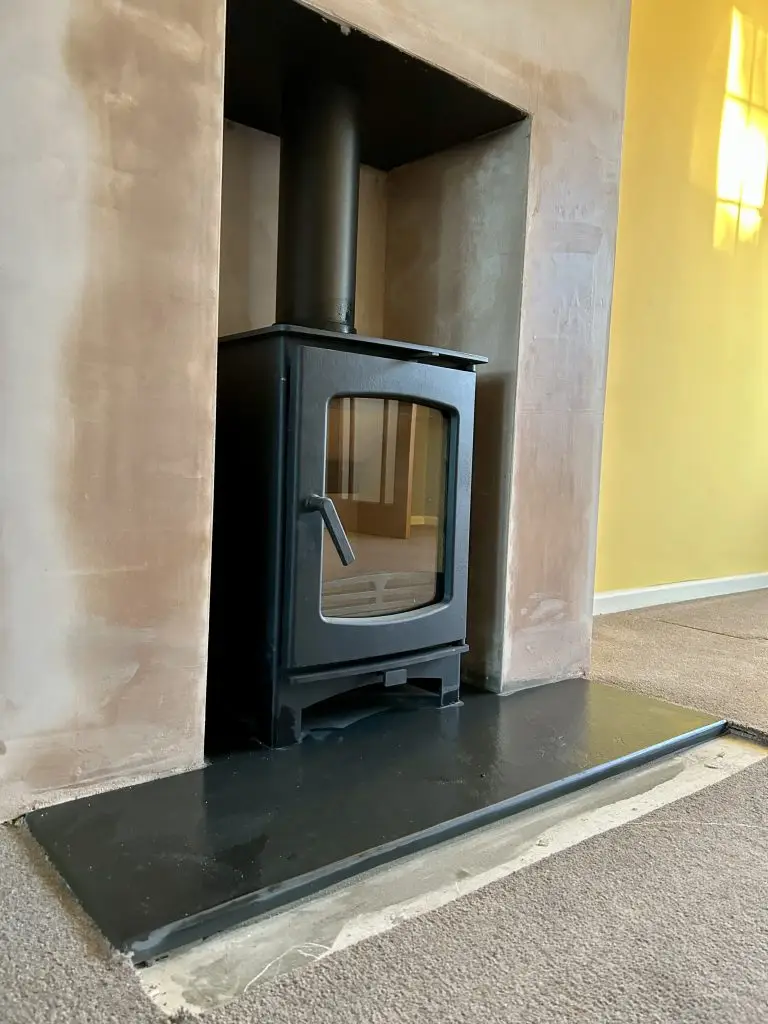
Finished full knockout fireplace installation by Blazing Burners in Budock Water, featuring flexible flue liner, fitted stove, and slate hearth

CO Alarm and Chimney Notice Plate

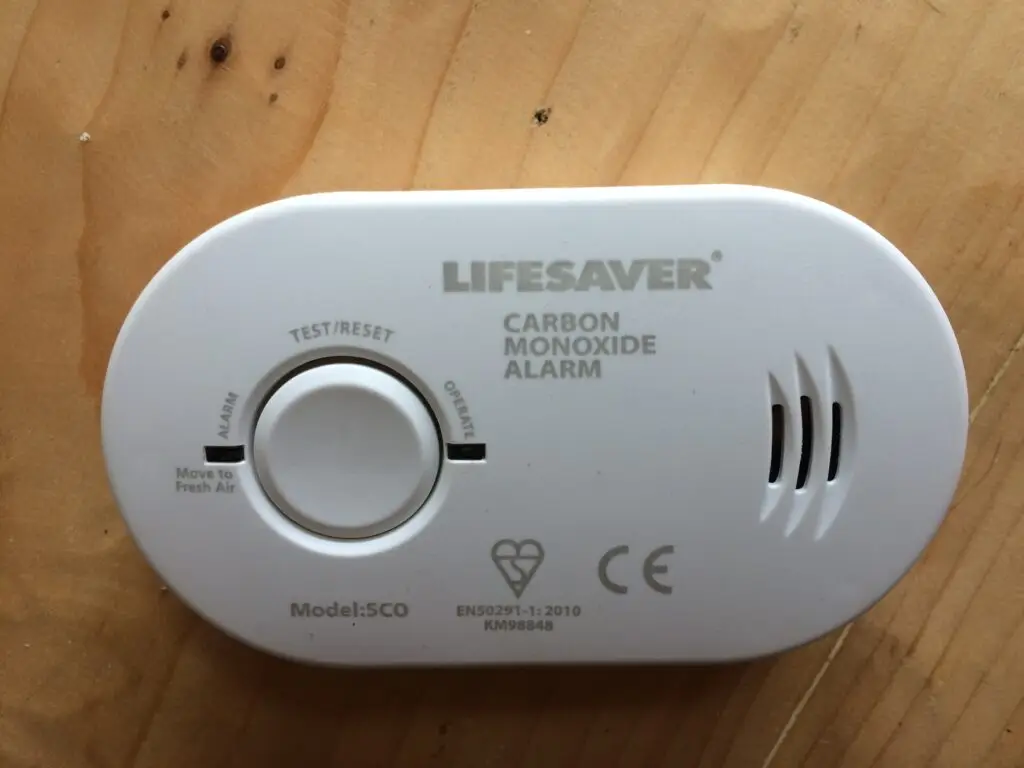
As part of every installation, we fit a carbon monoxide alarm in the same room as the stove – usually positioned at head height on a nearby wall or ceiling. This is a legal requirement and a vital safety measure.

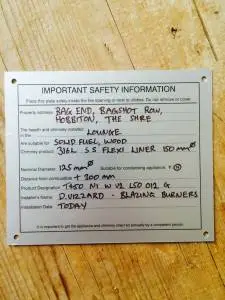
We also install a chimney notice plate, which records the details of the system we’ve fitted. This is normally fixed in a visible location such as near your consumer unit or inside a meter cupboard. The notice plate provides a permanent reference for you, future installers, or inspectors, ensuring your system details are always on record.

A Carbon Monoxide alarm that we fit for customers.
A completed chimney notice plate (for Frodo Baggins!) - the notice plate is required for commissioning stove installations.

Follow-Up and Aftercare

We’ll check in with you a couple of weeks after your installation to make sure everything’s bedding in well and to answer any early questions. It’s also an opportunity for you to flag anything you’re unsure about – whether it’s stove controls, fuel choice, or general use.

From there, we’ll invite you to join our annual sweeping and servicing programme. Our servicing package is £100 for regular customers and includes a full power sweep, stove check and service, repaint, glass clean, CO check, certificate, and an annual reminder so you never miss it. You can read more about what’s included on our Sweeping & Stove Servicing page.

Sweeping a flue and servicing a solid fuel appliance

Installation Variables and Pricing Transparency

Every chimney is different, and while we always aim to provide accurate quotes upfront, there are sometimes variables that can only be confirmed once work is underway. To keep things clear and transparent, we’ve listed the 4 common factors that may influence the final cost of a flexible flue liner installation – these being the usual suspects that we come across on site.

a) Flue Blockages, Obstructions & Chimney Shape

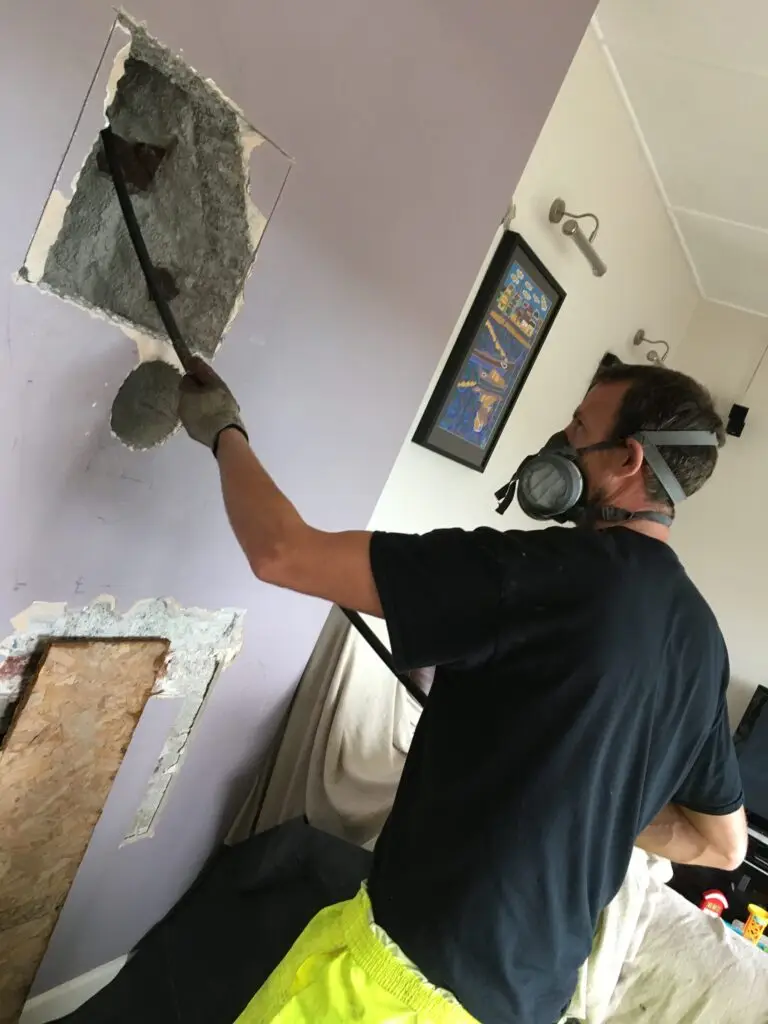
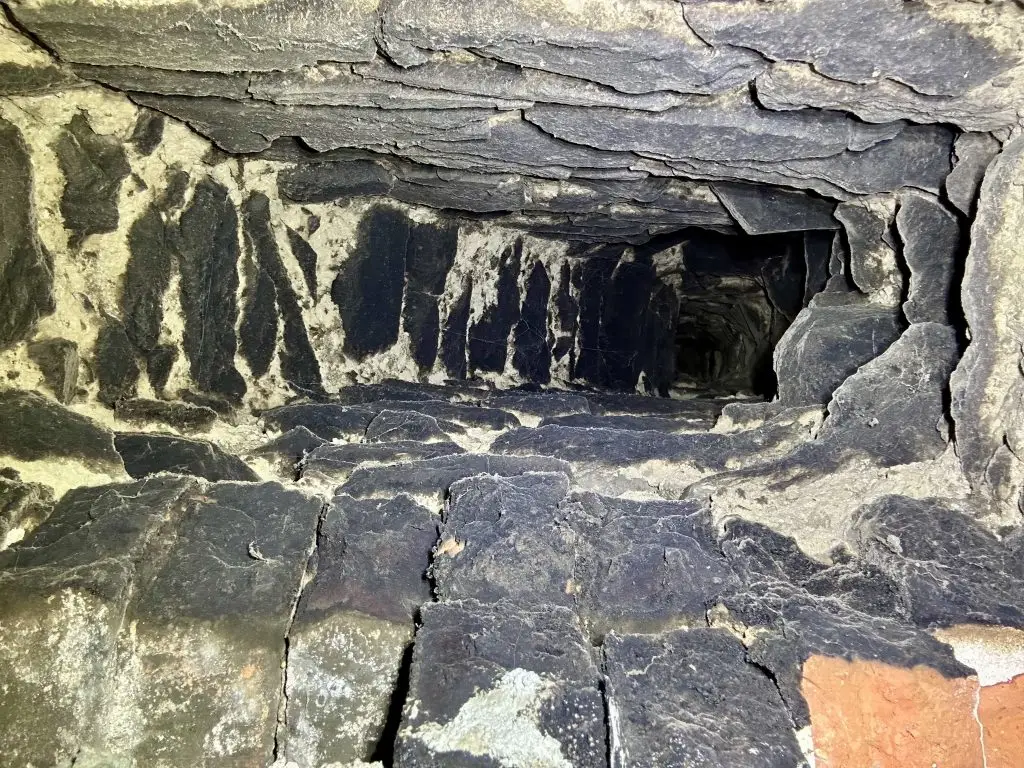
Despite thorough sweeping and inspection, some flues reveal hidden issues only during installation. These can include old debris, dislodged bricks, or internal damage that obstructs the liner’s path. Flues with sharp bends, offsets, or irregular shapes can also make it more difficult to guide the liner through safely.


In such cases, we may need to raise and lower the liner multiple times, use specialist tools, or make safe repairs before proceeding. This can add time to the job and may require additional equipment to ensure the installation is both safe and compliant.
Looking up into the inside of a masonry chimney before stove installation by Blazing Burners

b) Chimney Pots

A chimney pot is required to properly terminate and secure the flue liner at the top. If your chimney doesn’t currently have a suitable pot – or if the existing one is damaged or incompatible – we’ll need to install a new one. This will be discussed with you on-site and added to the final invoice only if necessary.

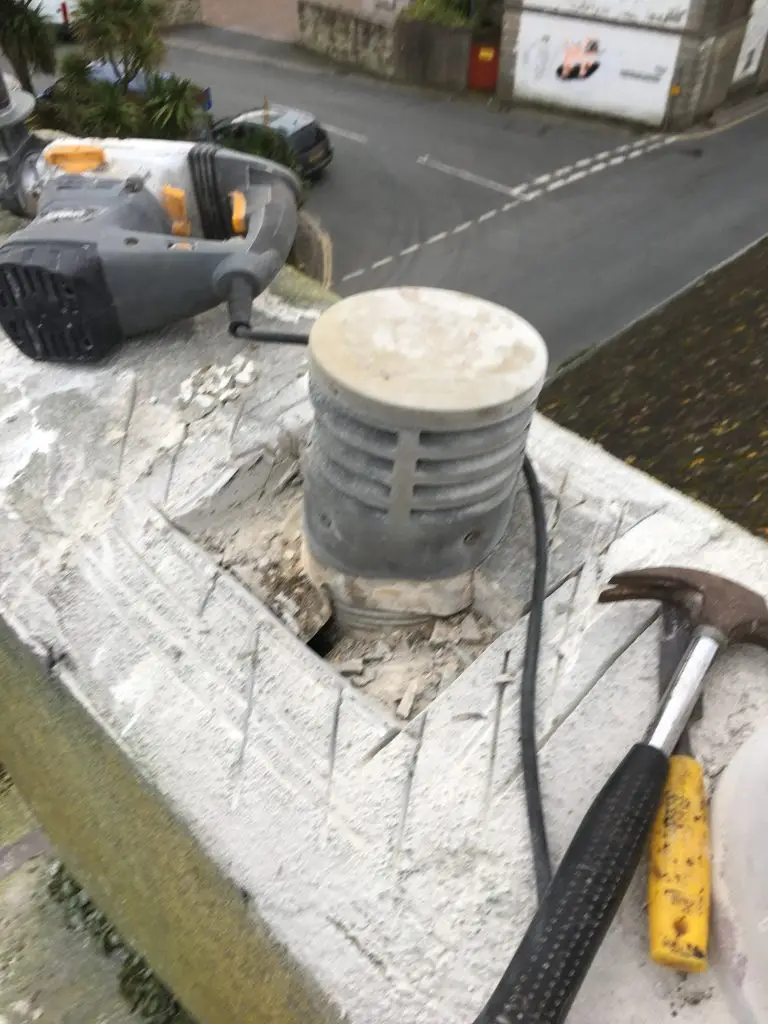
grinding around a gas terminal on top of a chimney stack
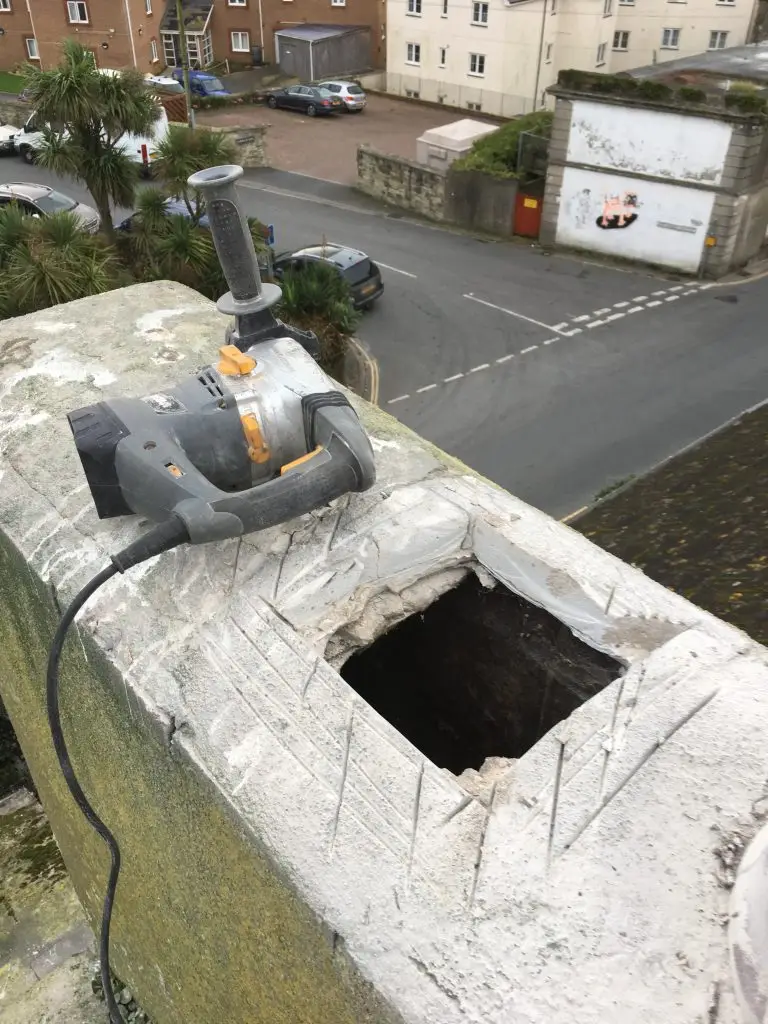
a gas terminal and liner are in the process of being removed
The gas terminal has been removed on top of a chimney stack
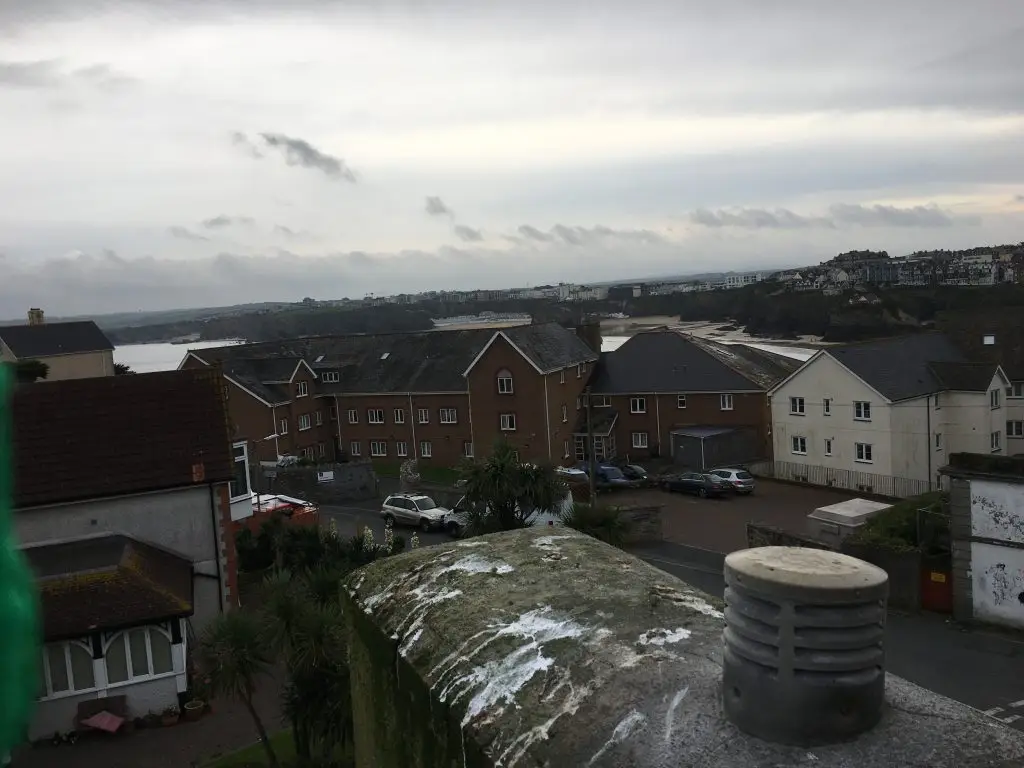
A gas terminal on top of a chimney stack in Newquay.
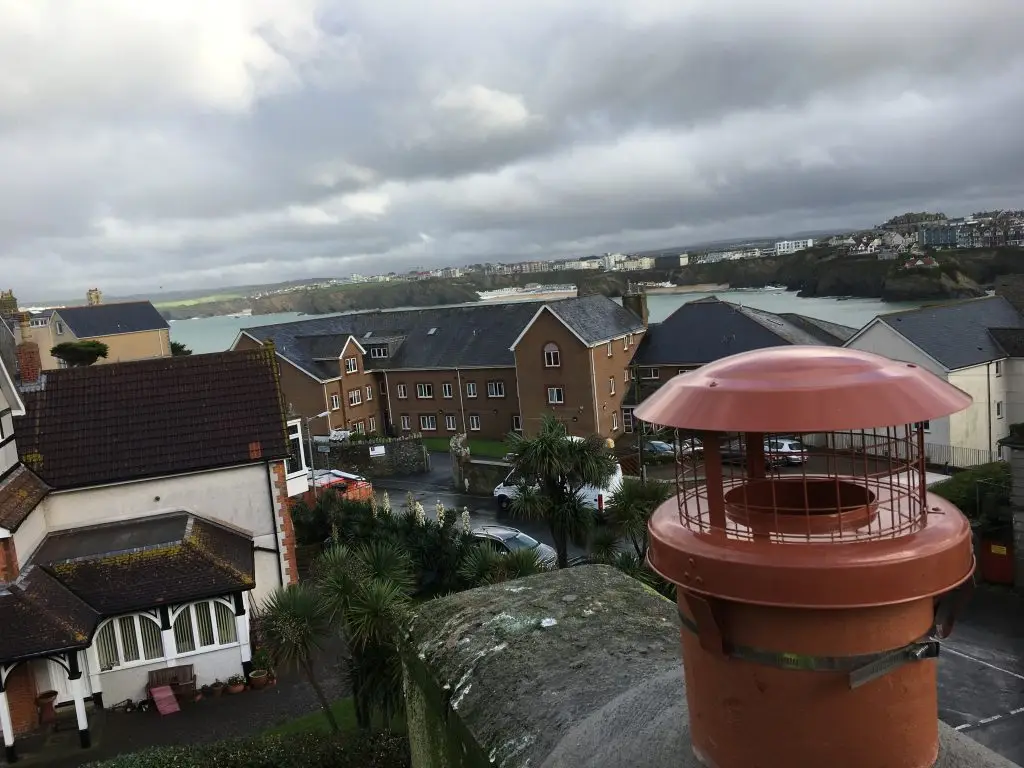
A chimney pot and pot hanging cowl installed on top of a chimney stack in Newquay.

c) Roof Height and Access Requirements

Th

The majority of our installations are carried out from ladders – a straight ladder from the ground up to your roof, with the gutter protected by a timber insert. We then use a roof/ridge ladder hooked over the ridge for secure access, placing a board under the ladder foot to safeguard the tiles.

If access is difficult – such as tall independent stacks, very high roofs, or fragile tiles – we may use a cherry picker (typically hired for half a day to keep costs down) or, in some cases, full scaffolding. Any additional costs will always be confirmed in advance.

Product image of a Dura Flue flexible stainless steel chimney liner, used for stove installations by Blazing Burners

d) Unforeseen Structural Issues with the Fireplace

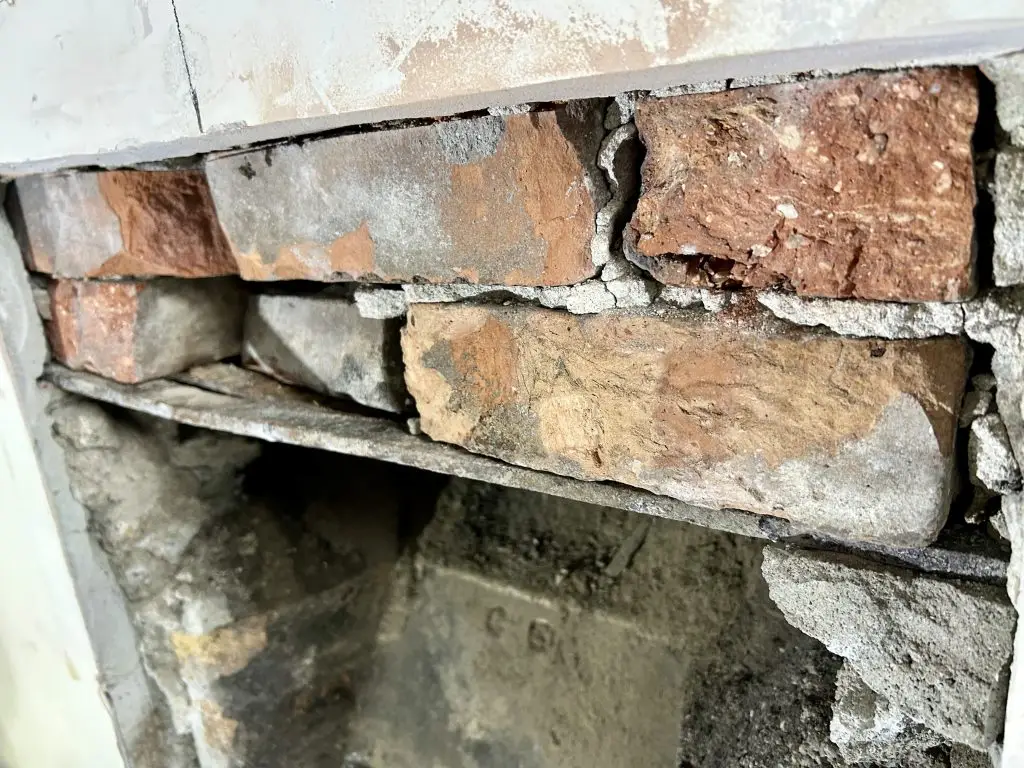
In some cases, once we begin work, previously hidden structural issues within the fireplace may come to light. These can include crumbling brickwork, unstable lintels, or loose stonework. Such issues can affect the integrity of the installation and may pose safety risks if not addressed. If remedial work is required, this will be discussed with you before proceeding. Any additional work will be charged at our standard rate of £72 per hour, plus the cost of any materials required. Our priority is always to ensure the installation is safe, fully compliant with Building Regulations, and built to last.

Detail view of the old metal lintel with bricks resting on top, about to be removed during builder’s opening preparation in Penryn by Blazing Burners

Our Promise

We’ll always discuss any unexpected findings with you before proceeding, and we’ll never carry out additional chargeable work without your approval. Our goal is to be transparent, fair, and focused on delivering a safe, long-lasting installation.

Summary

Installing a flexible flue liner makes your chimney safe, efficient, and ready for long-term stove use. We handle everything from sweeping and fitting through to testing, handover, and follow-up – with clear advice if extra work is needed.

Get in touch today for clear advice on whether your chimney is suitable for a flexible flue liner.