When installing a flexible flue liner inside an existing chimney, adding insulation can improve the performance and safety of the system.
Insulating around the liner helps to maintain flue temperatures, reduce condensation, and support efficient stove operation.
It also helps protect the chimney structure by containing heat and combustion gases within the liner.
Why Insulate a Flue Liner?
Insulation helps maintain a consistent flue temperature, which encourages a better draft and reduces the likelihood of condensation forming. This in turn helps prevent tar and creosote build-up inside the flue. Insulation can also improve stove efficiency and reduce the chances of corrosion or cold spots within the chimney, especially in older or exposed chimneys.
This is particularly relevant with modern Ecodesign stoves. They’re over 80% efficient, which means more heat stays in the room and less goes up the chimney. Cooler flue gases are great for your heating bills but they do increase the risk of condensation – and that’s where insulation comes in. By keeping the gases hotter for longer, insulation gives your liner a better chance of staying dry and healthy.
Types of Flue Liner Insulation
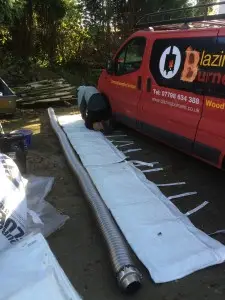
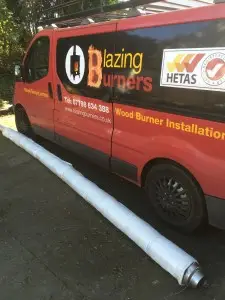
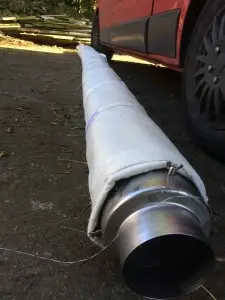
Chimney (blanket) Wrap
This is a blanket-style insulation wrapped around the liner before installation. It’s effective at retaining heat and is commonly used in large or open chimneys. However, it can be difficult to install in chimneys with tight bends.
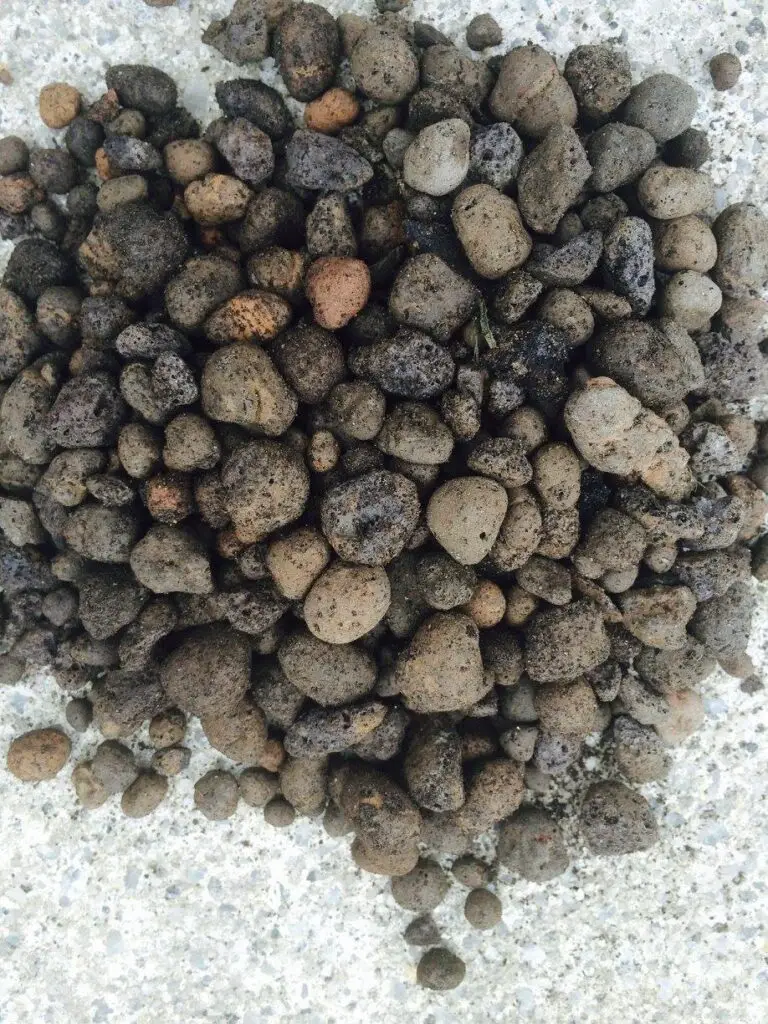
Backfilling with Leca (Lightweight Expanded Clay Aggregate)
Leca is a lightweight granular material poured into the gap between the liner and the chimney wall after the liner is fitted. It fills the void and retains heat, helping to stabilise flue temperatures. It’s non-combustible and resistant to moisture but can be messy to install and is difficult to remove once in place. If we backfill a liner with loose fill, we prefer to use Leca.
Vermiculite Backfill
This is another loose-fill mineral-based insulation similar to Leca but lighter. It was traditionally used to insulate flues but is less common today. Vermiculite can settle over time, reducing its effectiveness, and it tends to generate dust during installation or removal. It was also regularly installed with some cement, in order to create a light mortar around the flue.
No Insulation (Air Gap)
In many domestic installations, especially where the chimney is internal or well-insulated, no additional insulation is used. The small air gap between the liner and the chimney wall is left open. This is often suitable for modern stoves burning dry wood, but in cold or damp chimneys it may allow more condensation to form inside the liner.
What We Recommend
Insulation isn’t always required – some chimneys are internal and fairly tight to the liner, so there’s minimal need. But in other situations, such as large, external, or older chimneys, insulation can be a worthwhile upgrade. It supports long-term flue performance, helps reduce the risk of liner damage, and improves overall stove efficiency.
Think of it in the same way as liners themselves:
Best protection (belt and braces): W3G liner + insulation– the toughest liner combined with insulation for maximum lifespan and minimal condensation risk.
Next best: 316L + insulation– our standard wood-burning liner, boosted by insulation to help manage cooler flue gases from Ecodesign stoves.
Good: 316L– reliable on its own where the chimney is favourable and you’re burning dry wood only.
We’ll assess your chimney and recommend the best approach based on your setup, fuel type, and installation needs.
Cost of Insulation (not a full flexible flue liner installation)
The cost of installing insulation around a flexible flue liner varies depending on access to the chimney, the materials required, and the labour involved. For a typical two-storey house, you can expect the price to be around £800, but this may change depending on the specifics of your property.
If we discover existing insulation or loose-fill material inside the chimney that needs to be removed, we charge £72 per hour for additional labour, plus the cost of any materials or rubble removal required. This extra work can take time and may be necessary to ensure the flue is clean and safe before installing a new liner.
We’ll always discuss any unexpected findings or costs with you before proceeding.
Summary
Flue insulation is an extra cost up front, but over time it’s usually a worthwhile investment – provided you use the right fuel, run your stove correctly, and keep the system serviced each year. We’ll advise if it’s something you should consider and recommend the best options for your setup.